What Causes a Clogged Sewer Line
A clogged sewer line usually forms when grease, wipes, roots, or shifting soil block the pipe. Grease cools and sticks to the walls, while tree roots seek moisture at joints and cracks. In older neighborhoods, clay or cast-iron pipes may have offset joints that catch debris.
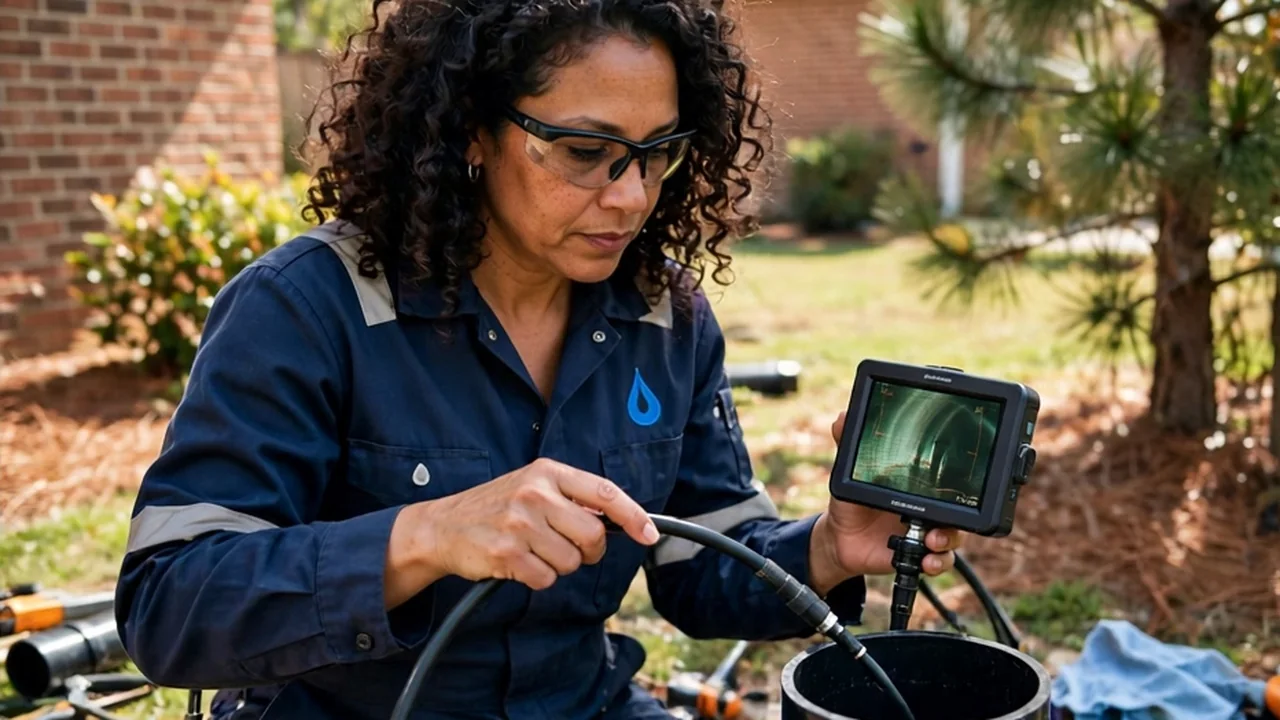
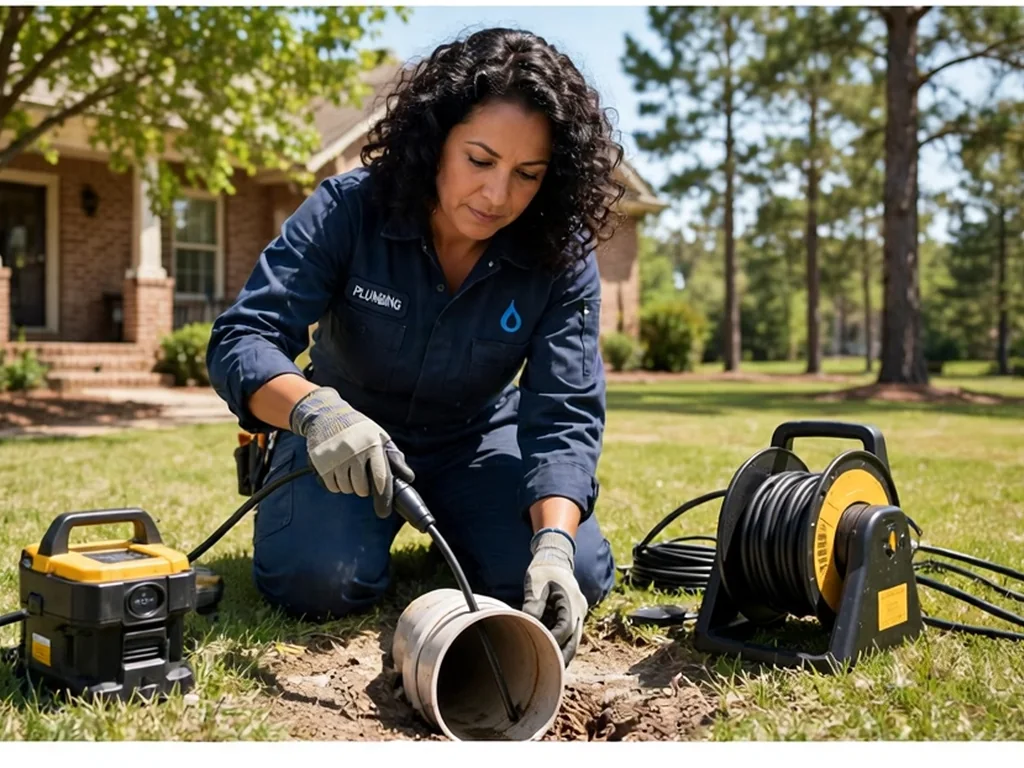
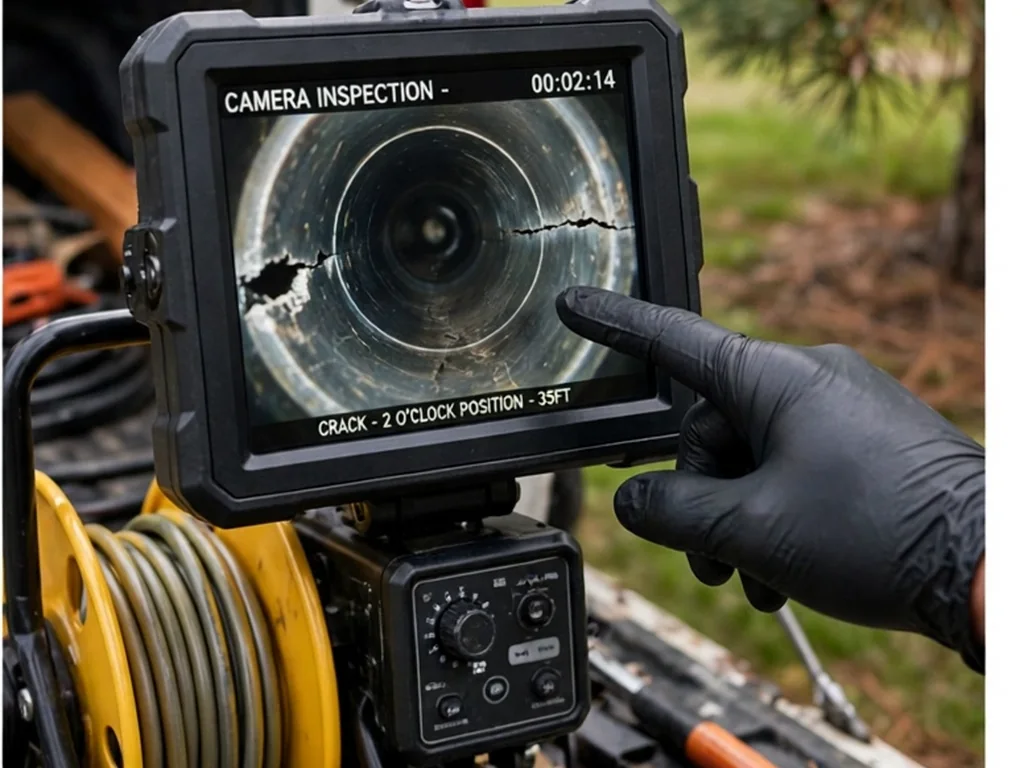
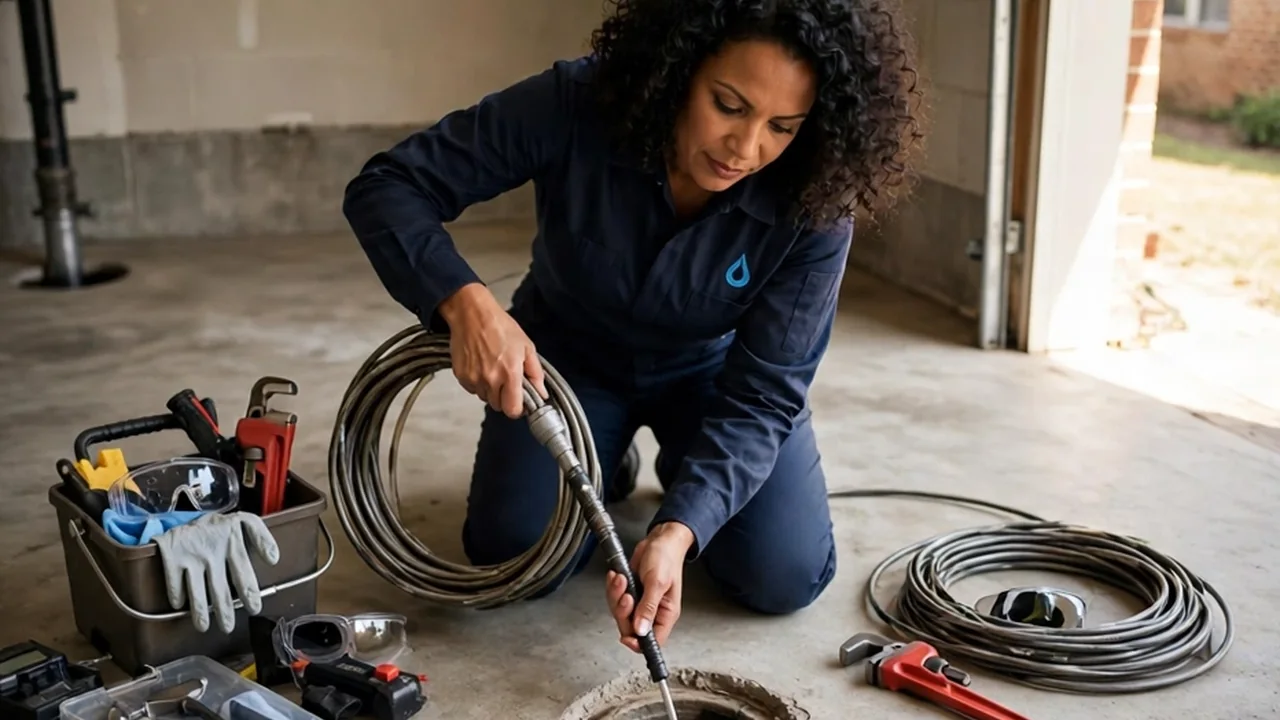
A clogged sewer line requires a sewer line inspection to find the exact blockage. Video pipe inspection shows whether the clog is a soft blockage, a root intrusion, or a broken pipe. That determines whether sewer cleaning or sewer repair is the right next step.
Warning Signs You Should Not Ignore
Slow drains throughout the house, gurgling toilets, and sewage odors point to a sewer problem. Water backing up in the lowest drain when you run an appliance is another sign. These symptoms often mean the main line is partially blocked, so you may also want to look into water line installation.
If you see standing water in the yard or a sunken patch along the sewer route, the pipe may be cracked or collapsed. A professional sewer line inspection with a camera confirms the cause before you authorize any digging.
Repair or Replace: Making the Call
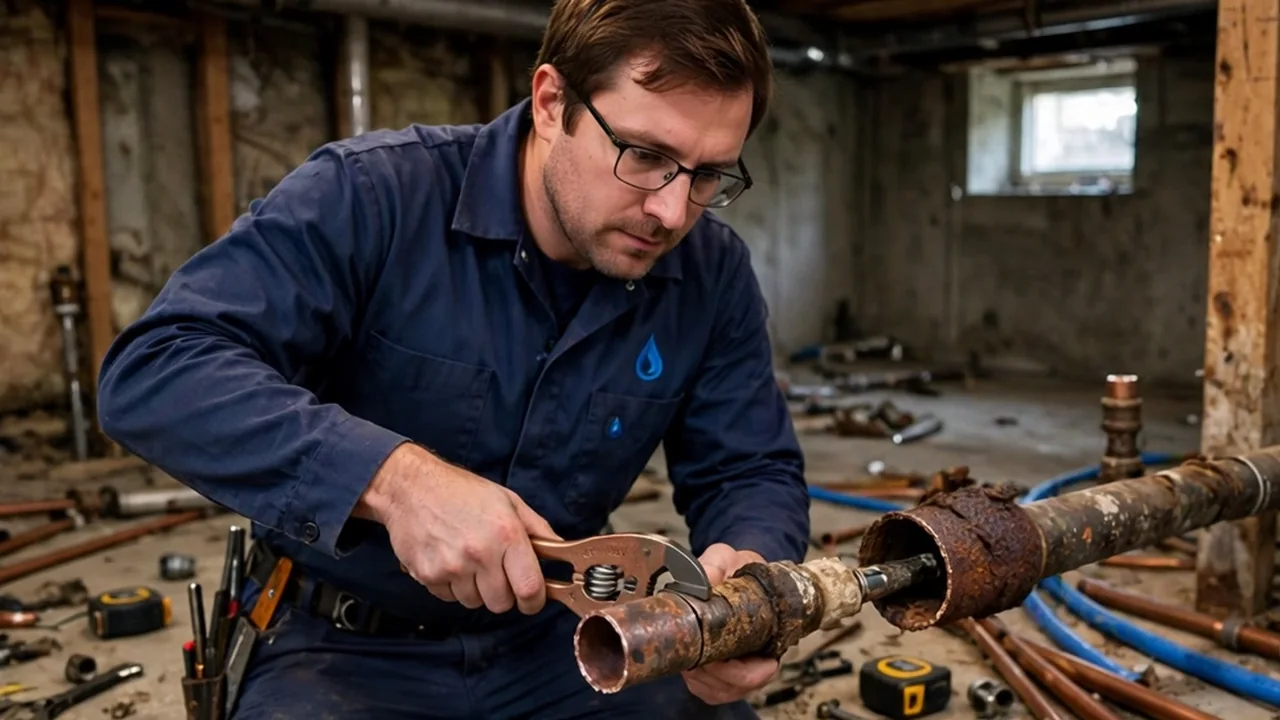
Repair is often right for a single crack, a root intrusion, or a localized clog. Replacement makes more sense when the pipe is collapsed, badly bellied, or made of materials that fail repeatedly. A camera inspection gives you the evidence to choose.
For sewer lines, trenchless sewer line repair can fix many problems with minimal digging. For water heaters, repair versus replacement depends on age, leak location, and parts availability. Our guide on when repair is the right choice versus replacement explains the trade-offs.