Common Causes of Water Line Failure
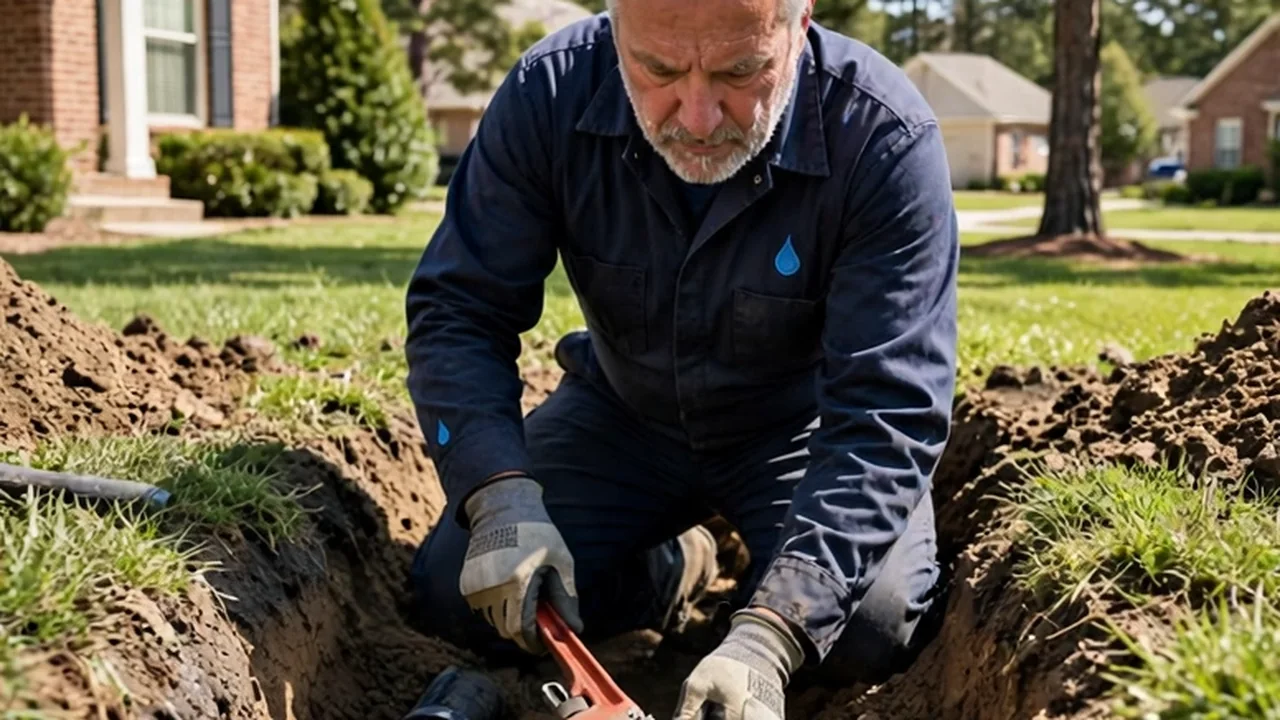
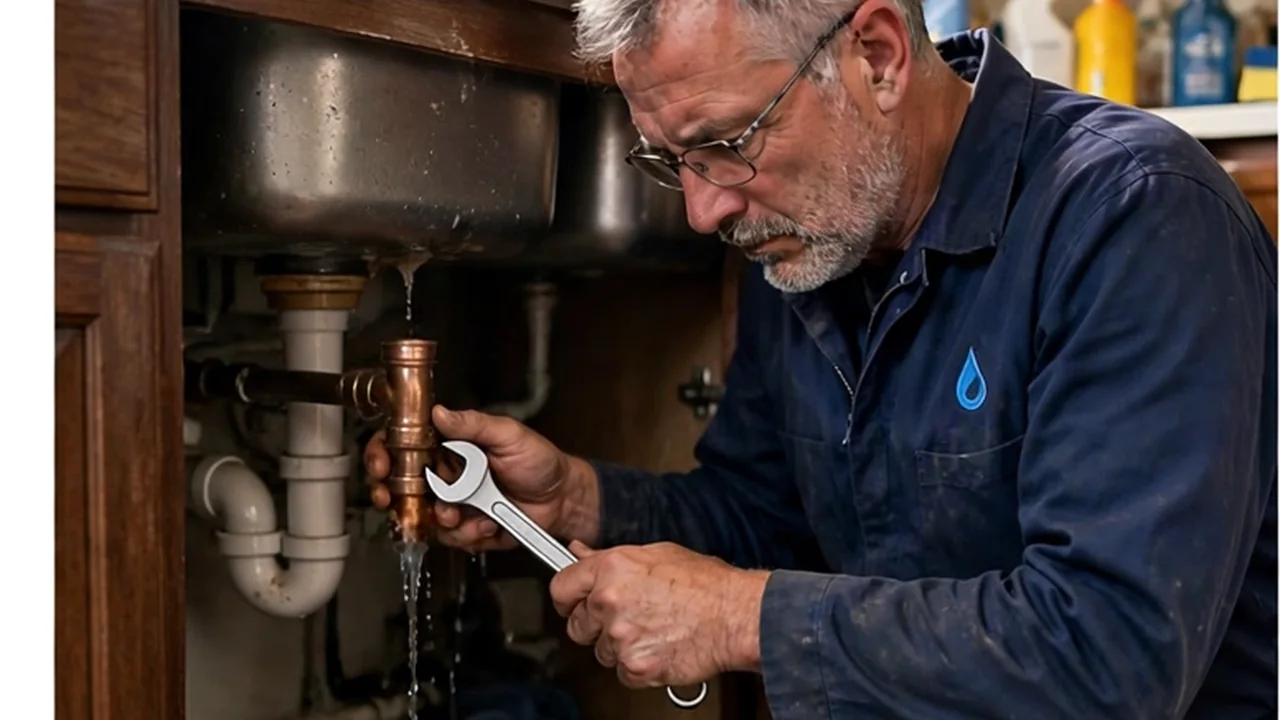
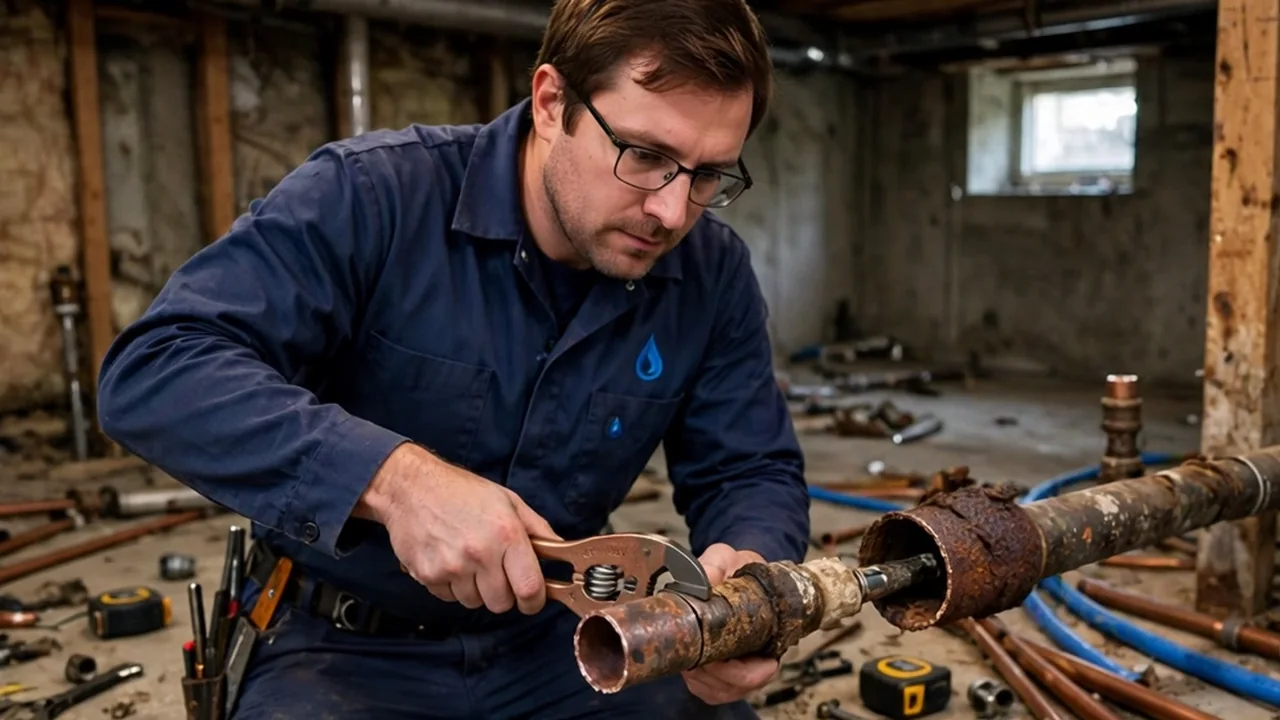
Water lines fail from age, soil movement, high pressure, and freezing. In Newnan, clay soils shift with wet and dry cycles, stressing joints and older metal pipe. Tree roots seek moisture and can crack or displace lines.
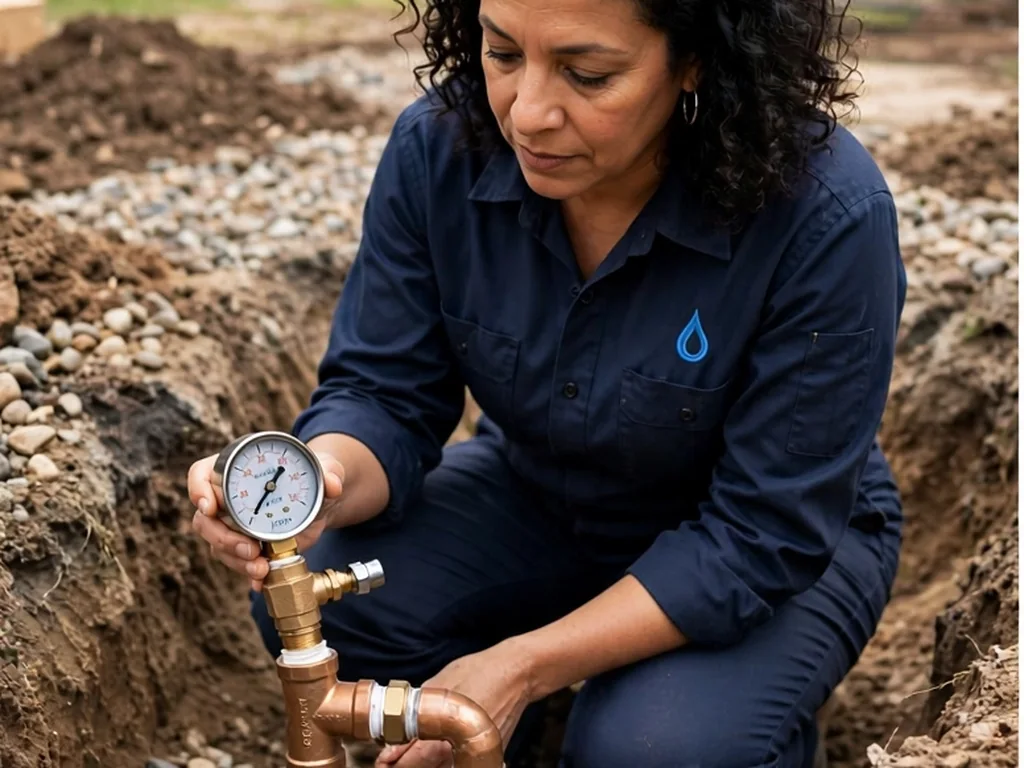
High water pressure wears fittings and valves. A failing pressure regulator can push pressure above safe levels, causing pinhole leaks and joint failures.
Signs You Need Water Line Repair
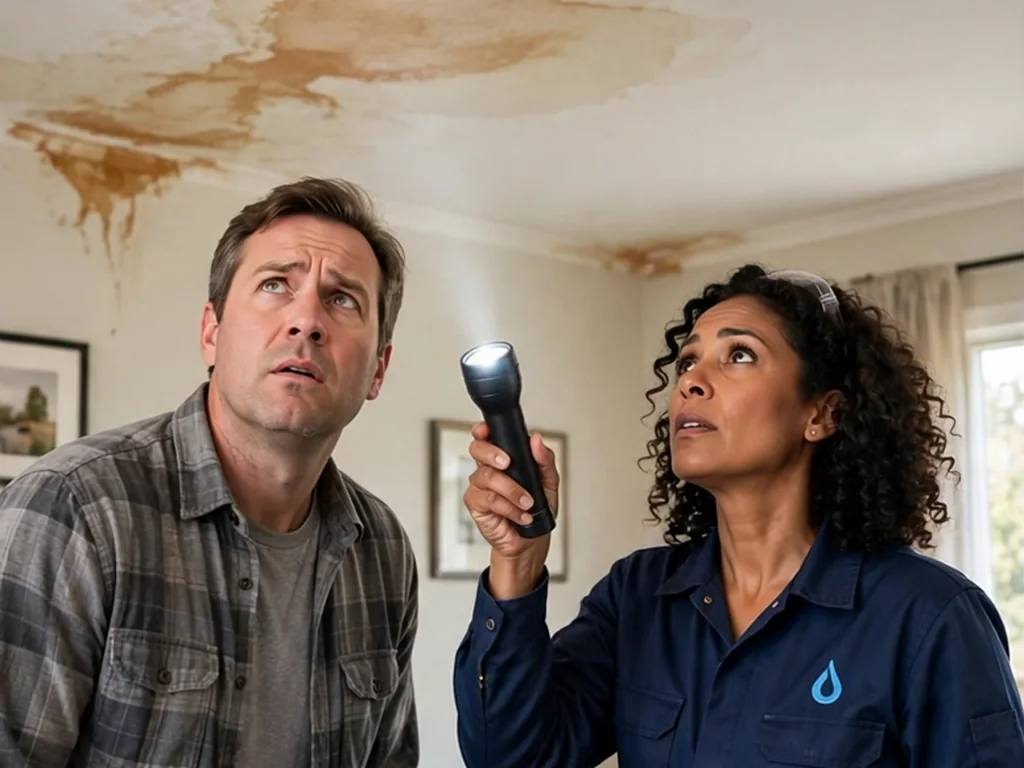
Watch for a sudden drop in water pressure, discolored water, or a water bill that jumps without explanation. A patch of soggy ground or a running sound when no fixture is on points to a buried leak.
A water meter that keeps moving with all fixtures off confirms a leak on the supply side. Shut off the main and call a plumber.
Repair or Replace: Making the Call
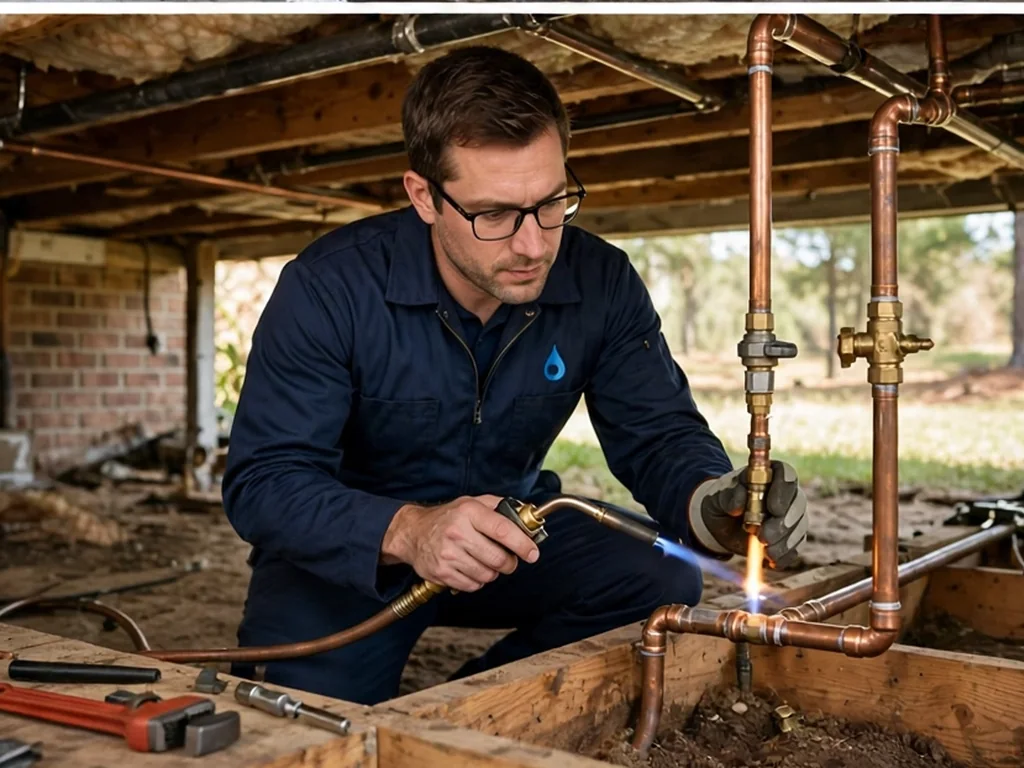
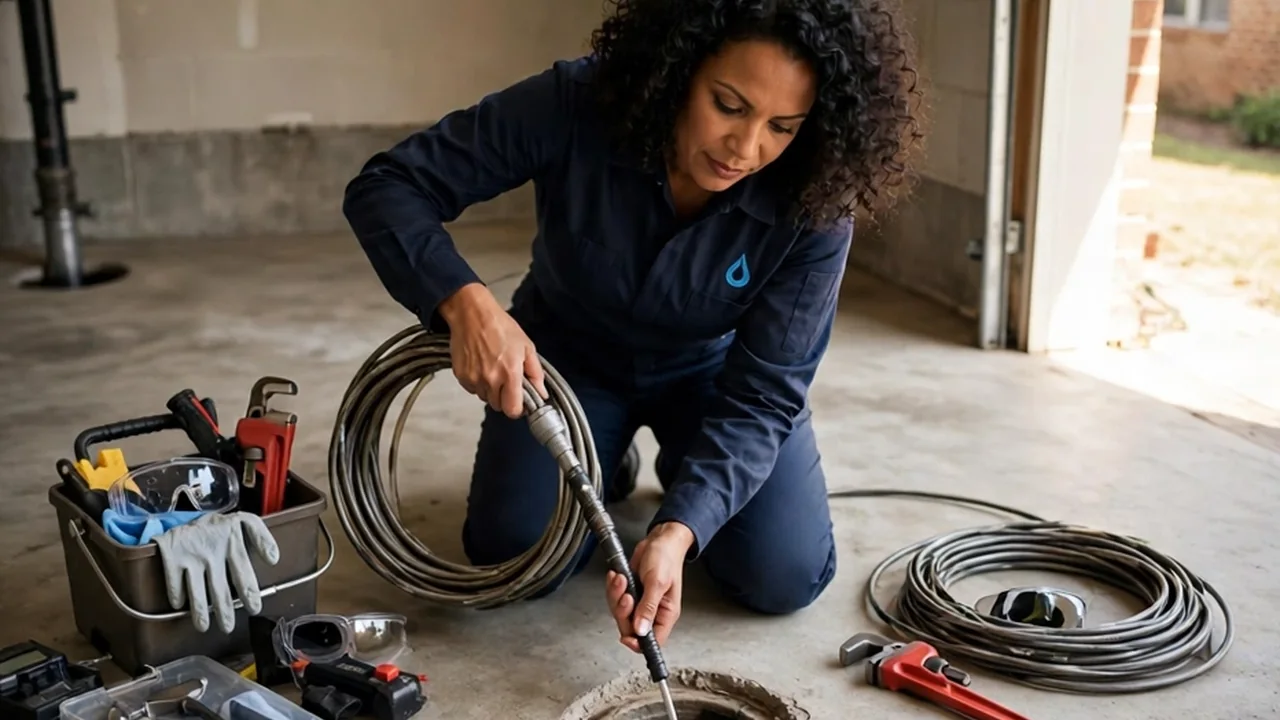
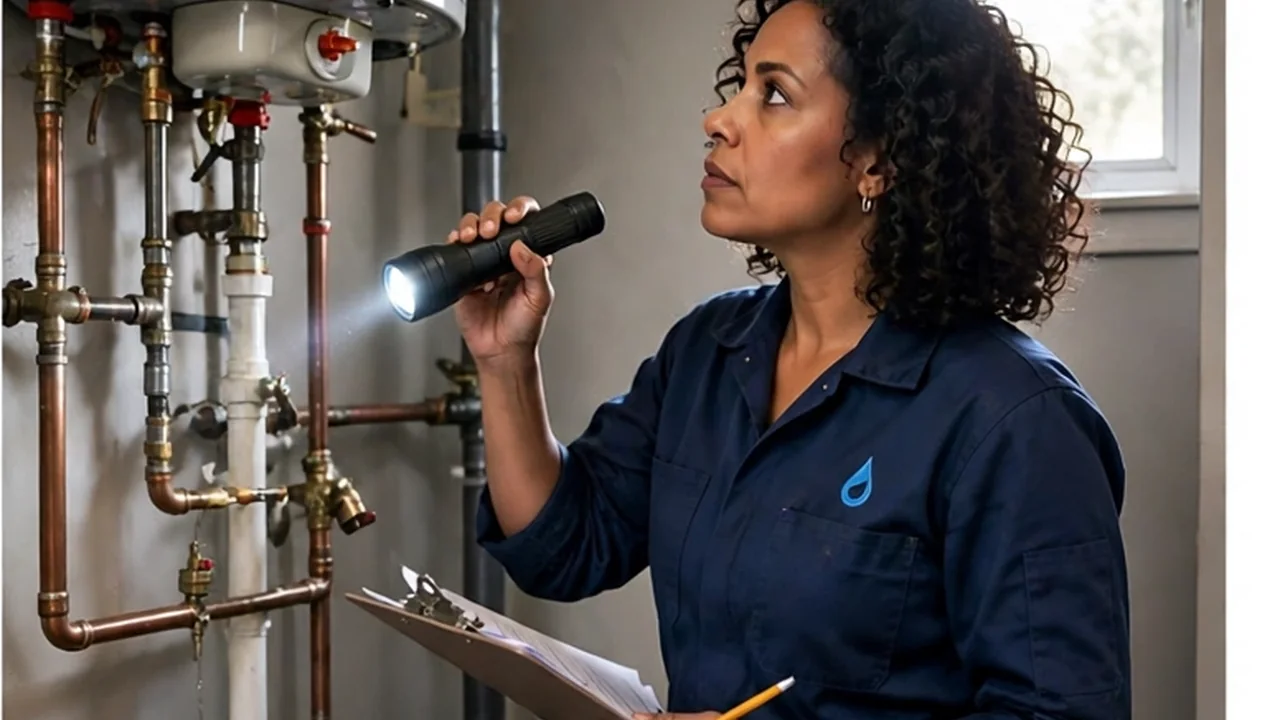
Repair suits a single isolated leak on otherwise sound pipe. Replacement makes sense when the line is old, leaking in several places, or made of material prone to failure. A camera inspection or leak detection report shows the condition so you can decide with evidence.
For water heaters, a tank near the end of its life with a leaking tank is usually replaced, while a failed valve or element is repaired. The same logic applies to pipes, drains, and sewer laterals: patch a local fault, replace a system that keeps failing.