What causes a sewer line to fail
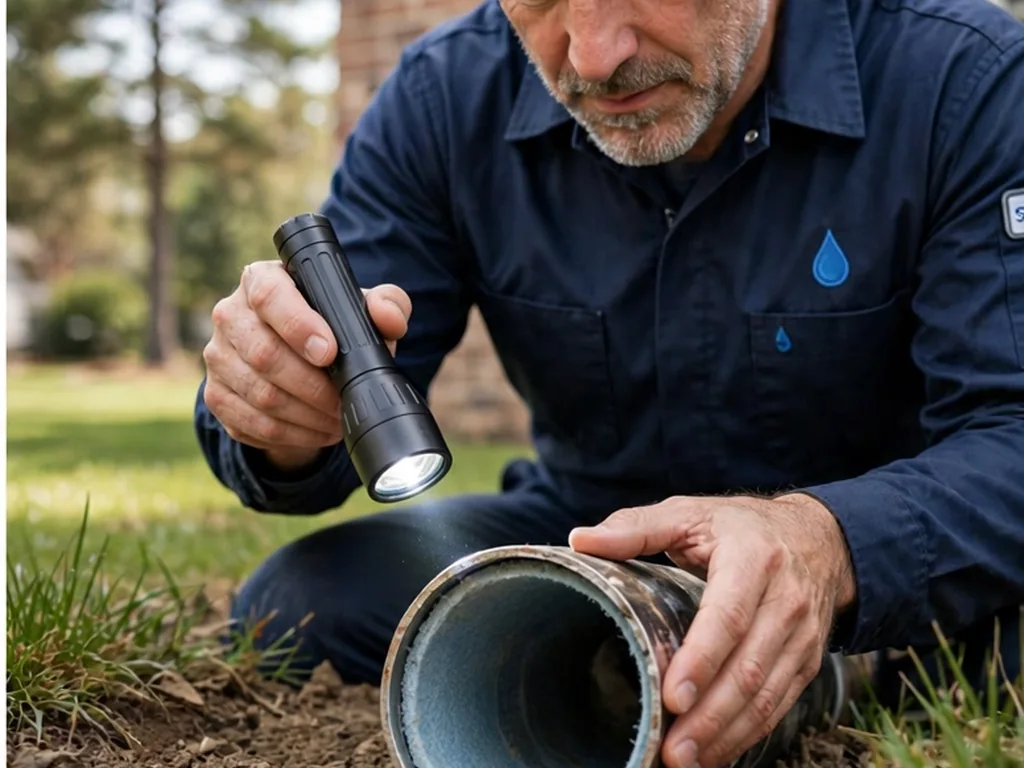
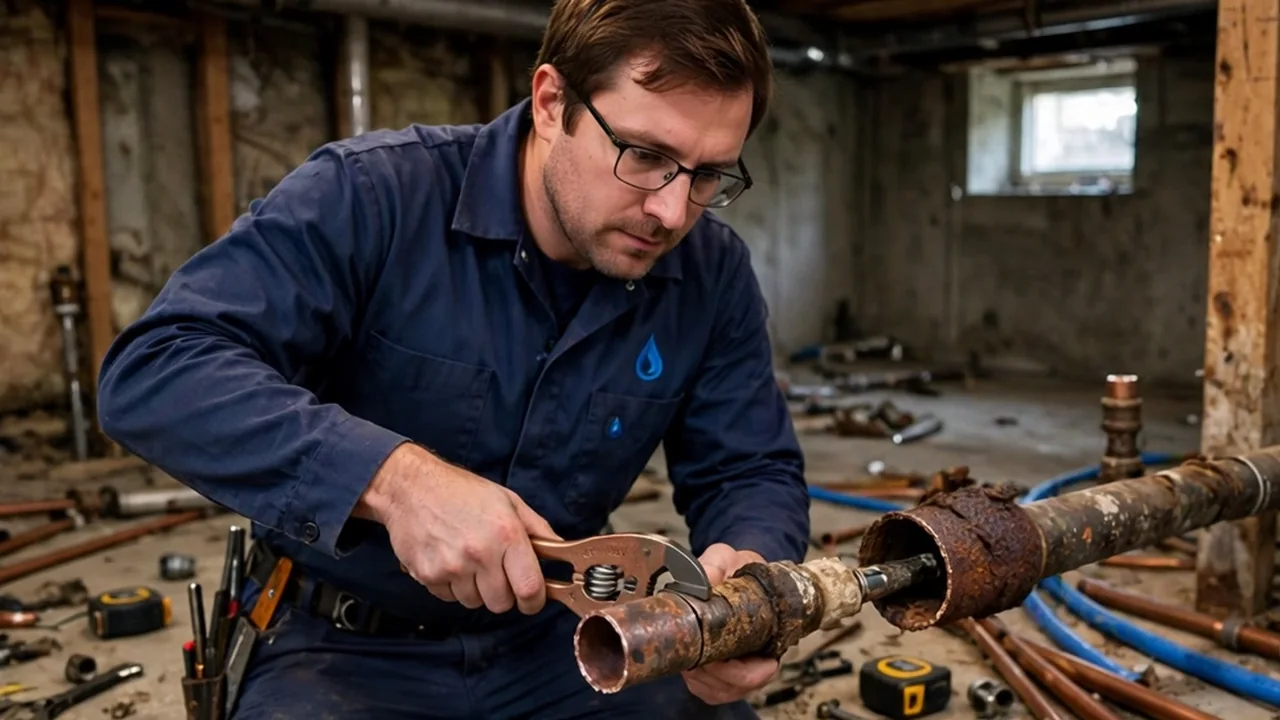
Sewer lines fail from root intrusion at the joints, from age and corrosion, and from ground movement that offsets the pipe. Clay and cast-iron lines in older homes are common candidates.
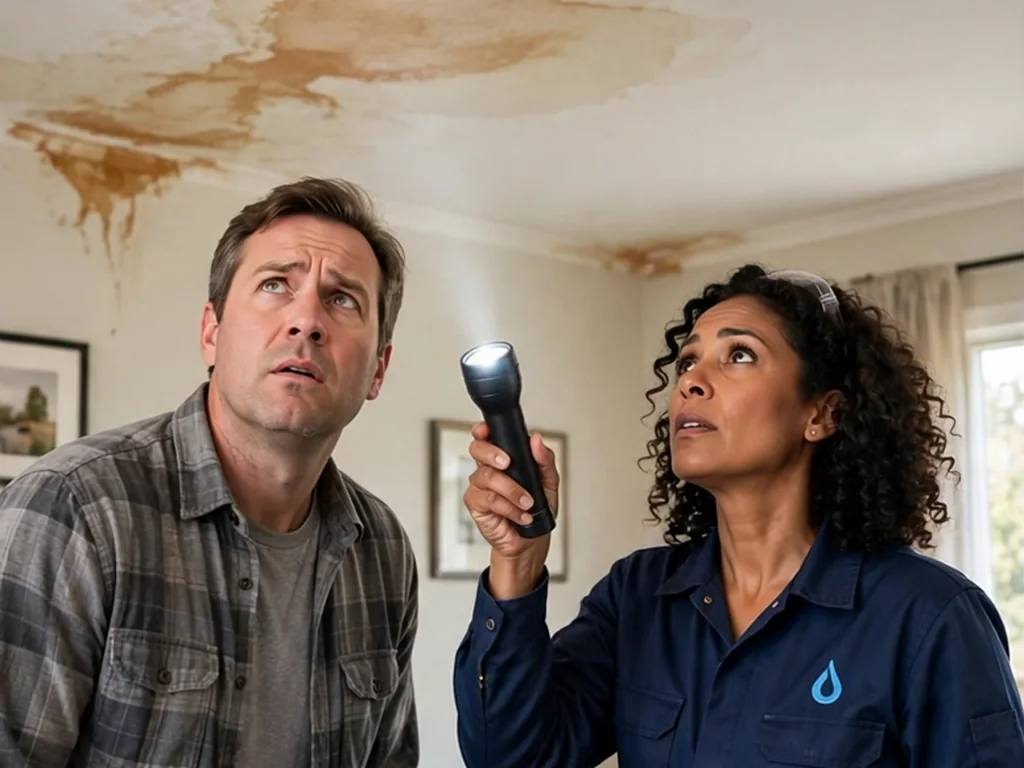
A break lets soil and groundwater into the line, which is why backups and soggy patches often appear together.
How trenchless repair differs from digging
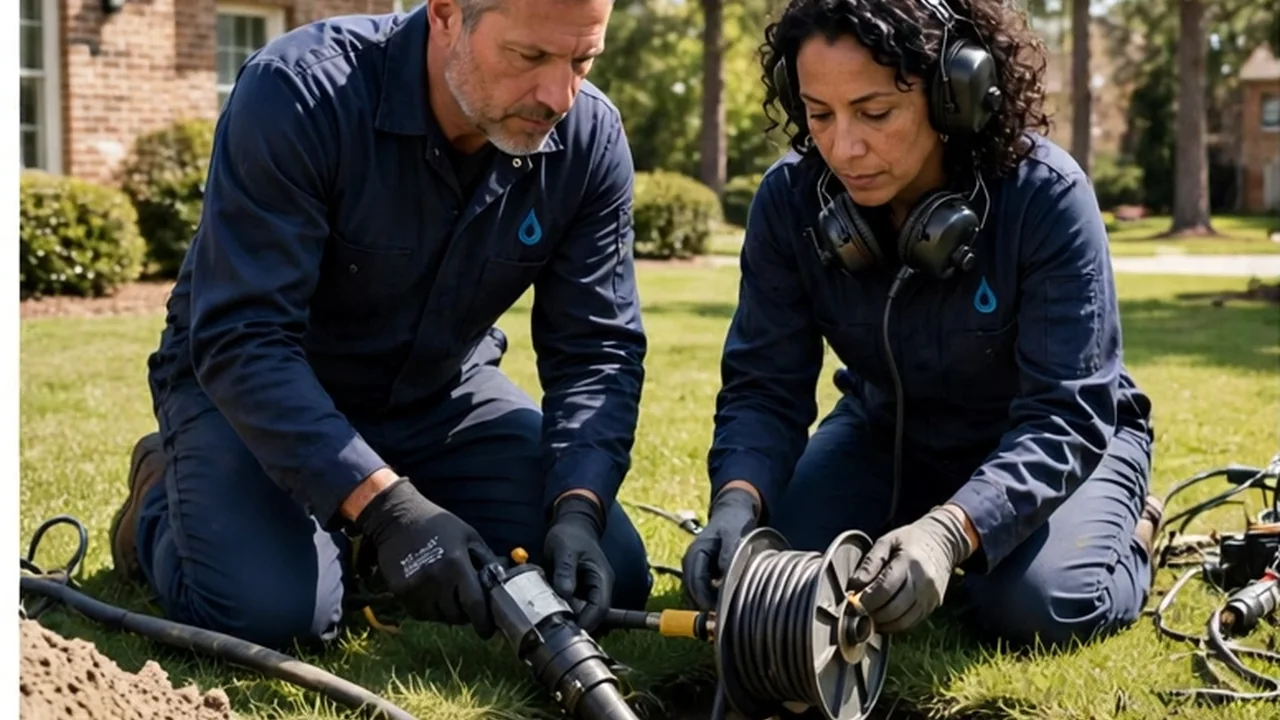
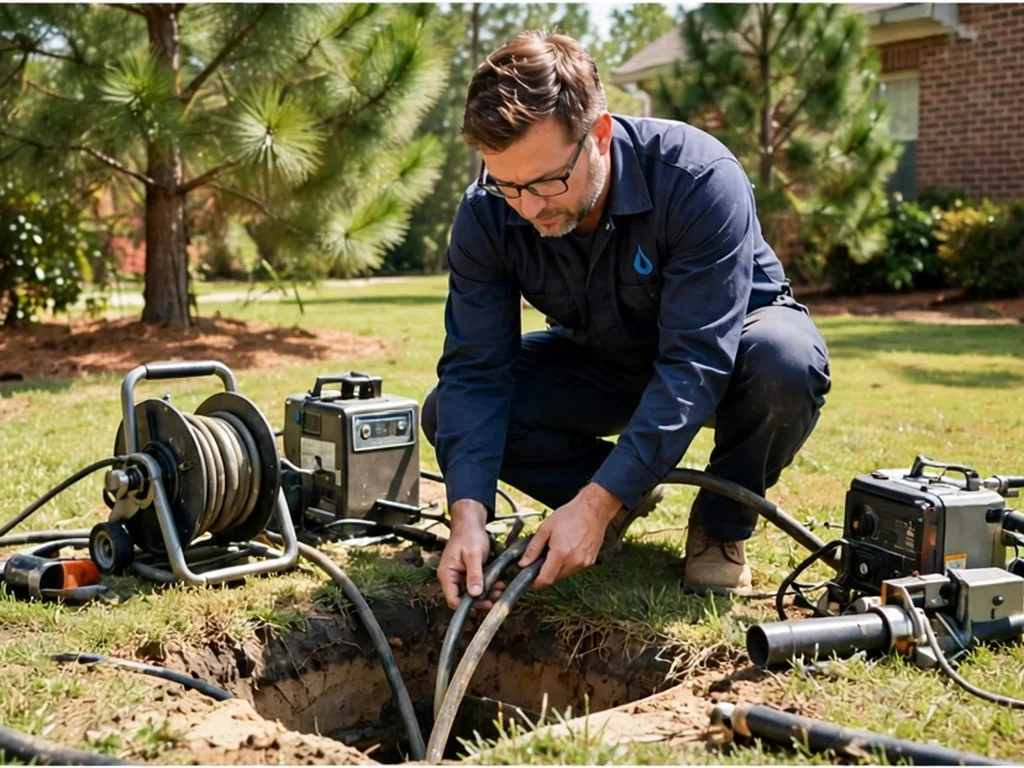
Open-cut repair removes a long strip of ground to reach the pipe. Trenchless repair reaches the line through small access points and pulls a new liner or pipe through the old path.
Trenchless works best when the old pipe still holds its shape. A collapsed line may still need excavation, which is why a camera inspection comes first. For repair-or-replace decisions on other systems, see our guide on when repair is the right choice versus replacement, and for tank and element issues see our water heater repair service.
What the camera shows you
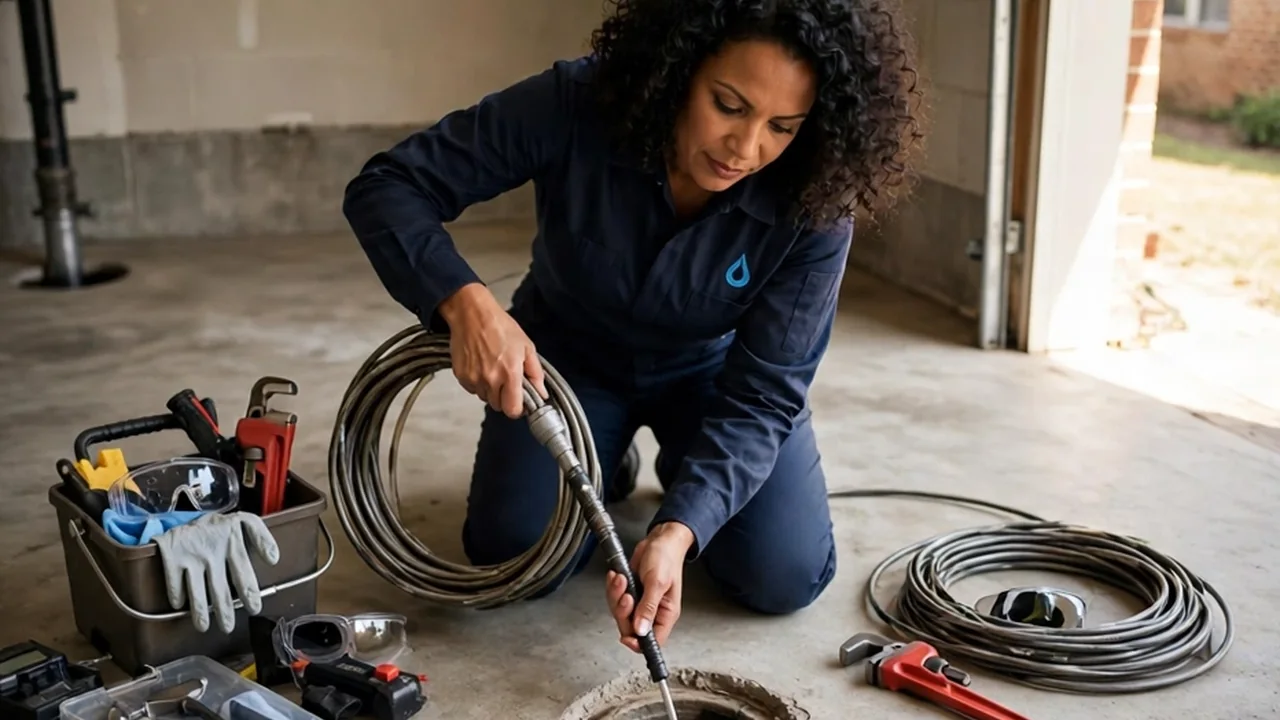
A video inspection records the inside of the line so you can see the crack, root or offset for yourself. That evidence decides the repair method and confirms the fix worked.
Our guide explains how diagnostic methods like camera inspection and leak detection work as a decision step.