Why Faucets Drip, Leak or Lose Pressure
A dripping faucet usually means a worn cartridge, seat or O-ring inside the valve body. Water seeps past the worn part and escapes through the spout even when the handle is closed.
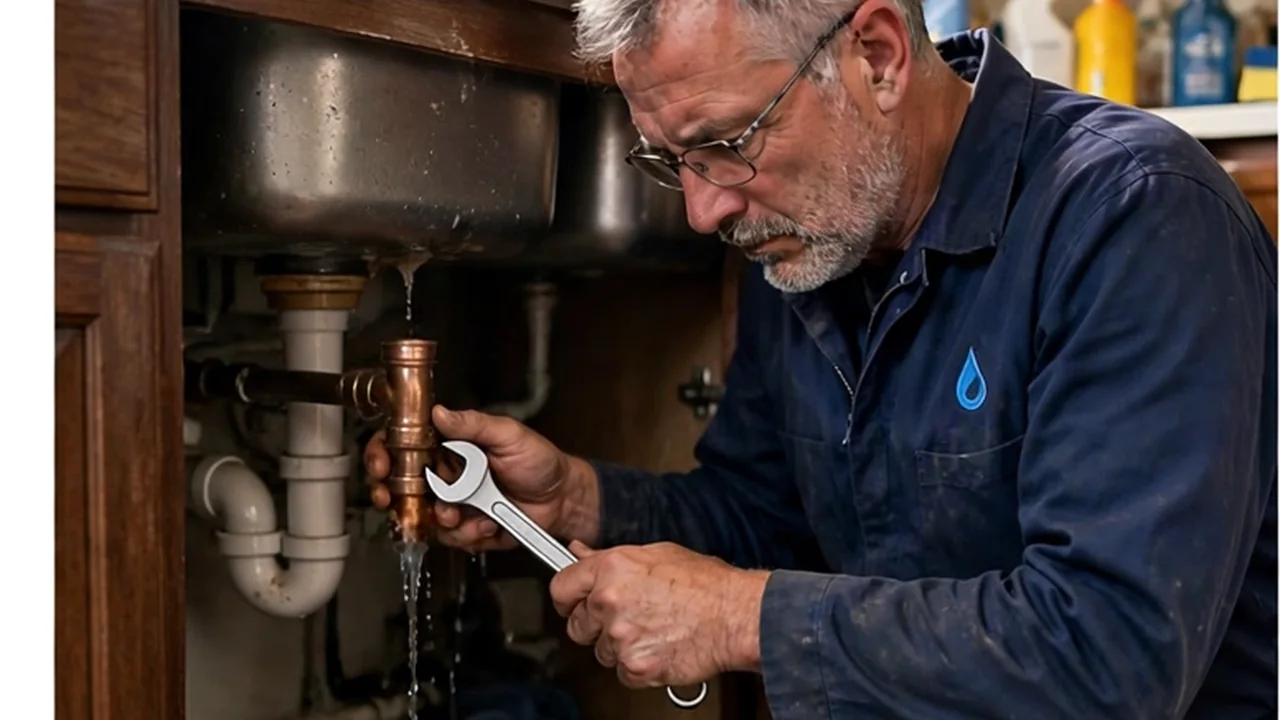
Low flow at one faucet often points to a clogged aerator or a failing cartridge, while low flow at every fixture suggests a supply problem elsewhere. Leaks under the sink usually come from the supply lines or the connection where the faucet meets the counter.
Signs a Faucet Needs Replacing, Not Repairing
A faucet that has been repaired repeatedly, or one with a cracked body or corroded base, is usually better replaced than repaired again. Replacement also makes sense when you are changing the sink or countertop and the old faucet will not fit the new openings.
Repair remains the sensible choice when the body is sound and only a cartridge or seal has failed. A plumber can tell you which applies after inspecting the faucet and the shut-off valves beneath it.
Safe DIY Care and When to Call a Plumber
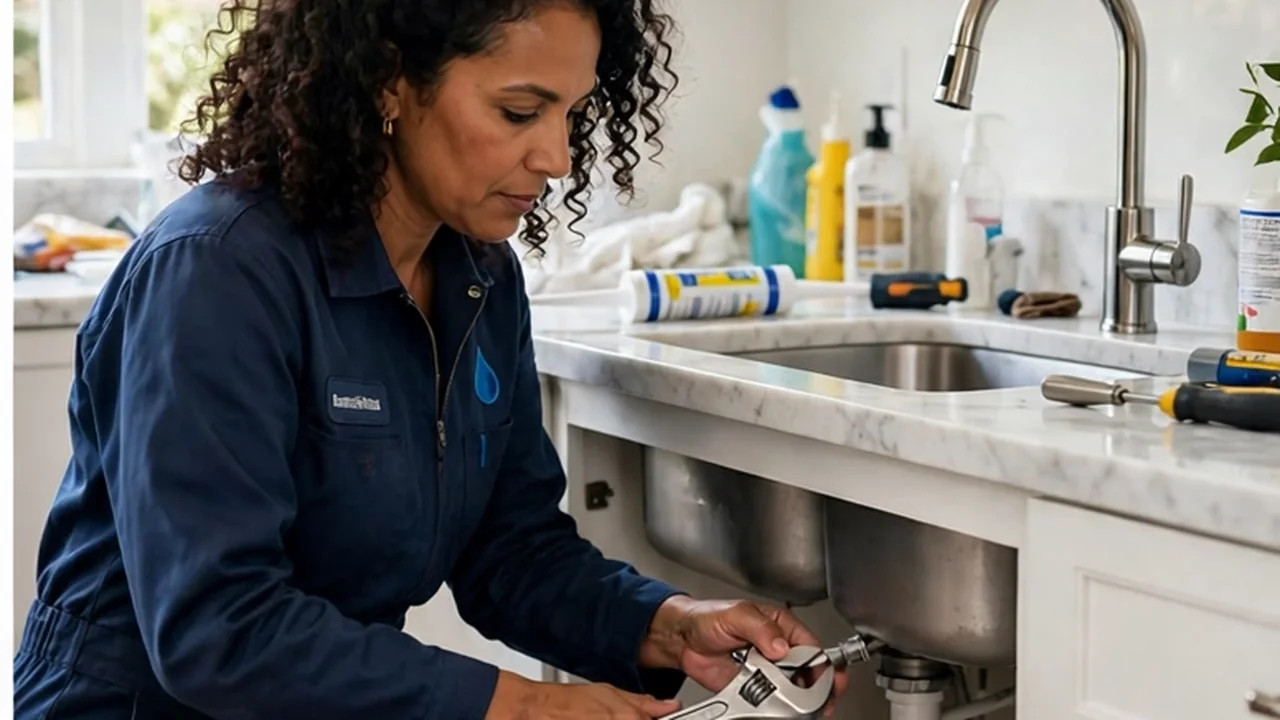
You can safely clean an aerator, tighten a loose handle or wipe up a minor drip. Shut off the supply valves under the sink before any of this and check them for corrosion first.
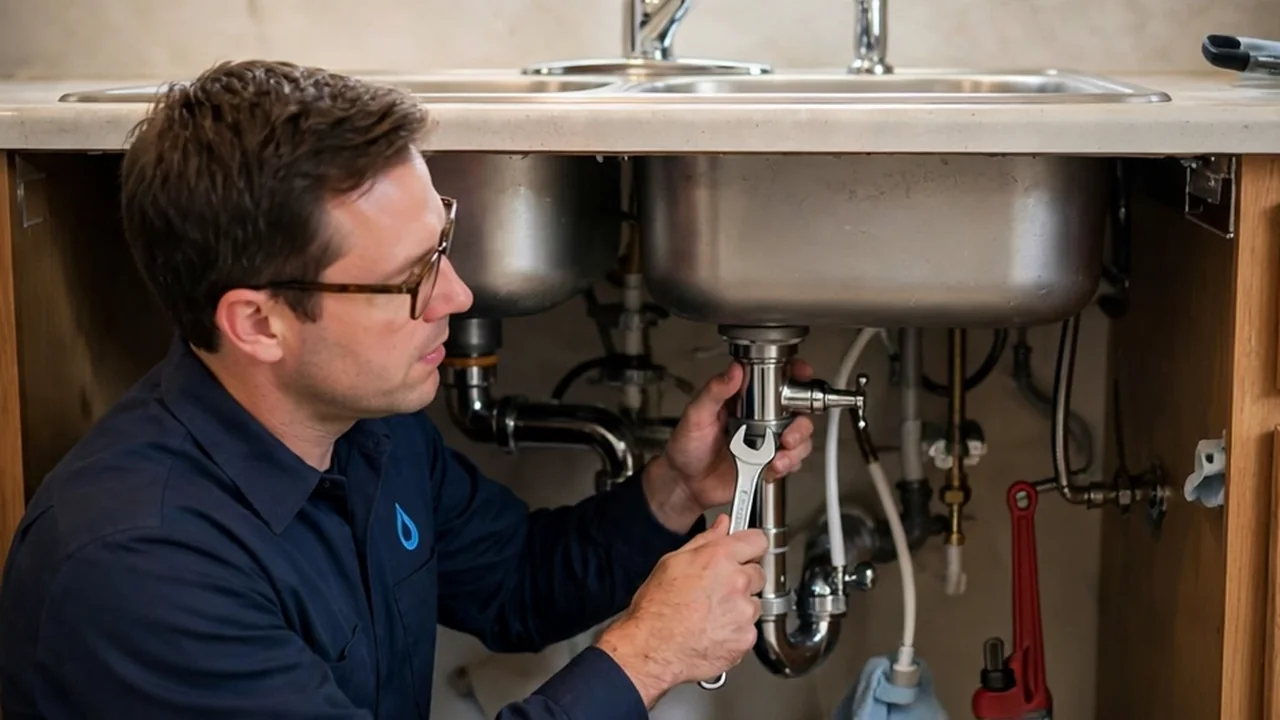
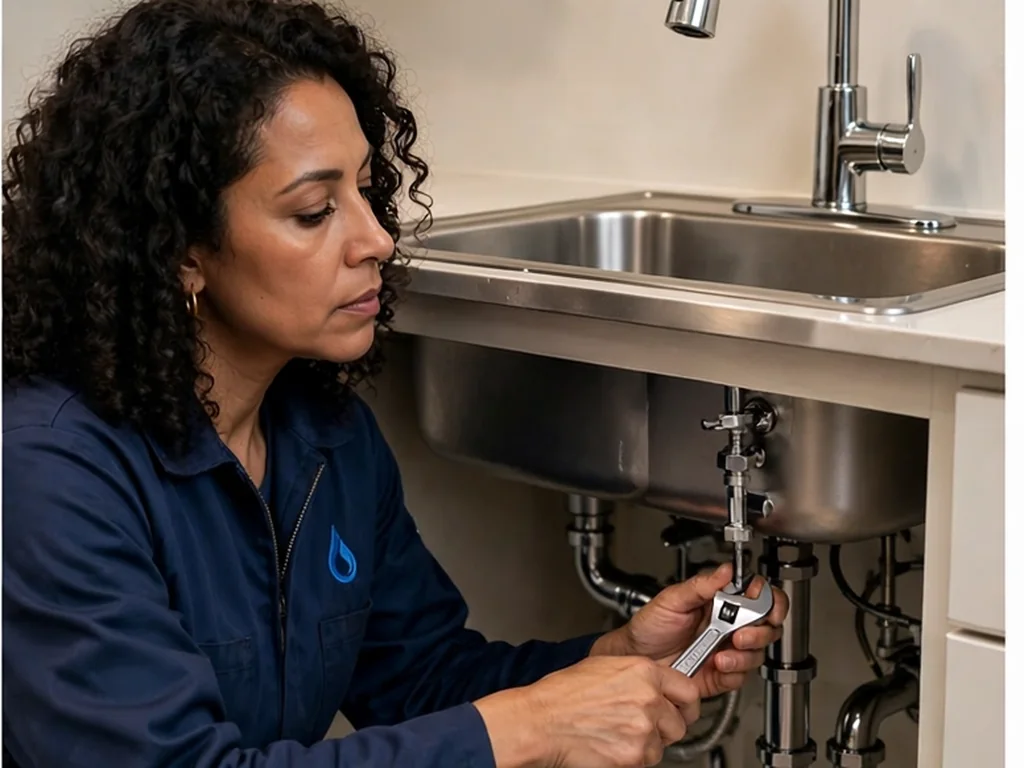
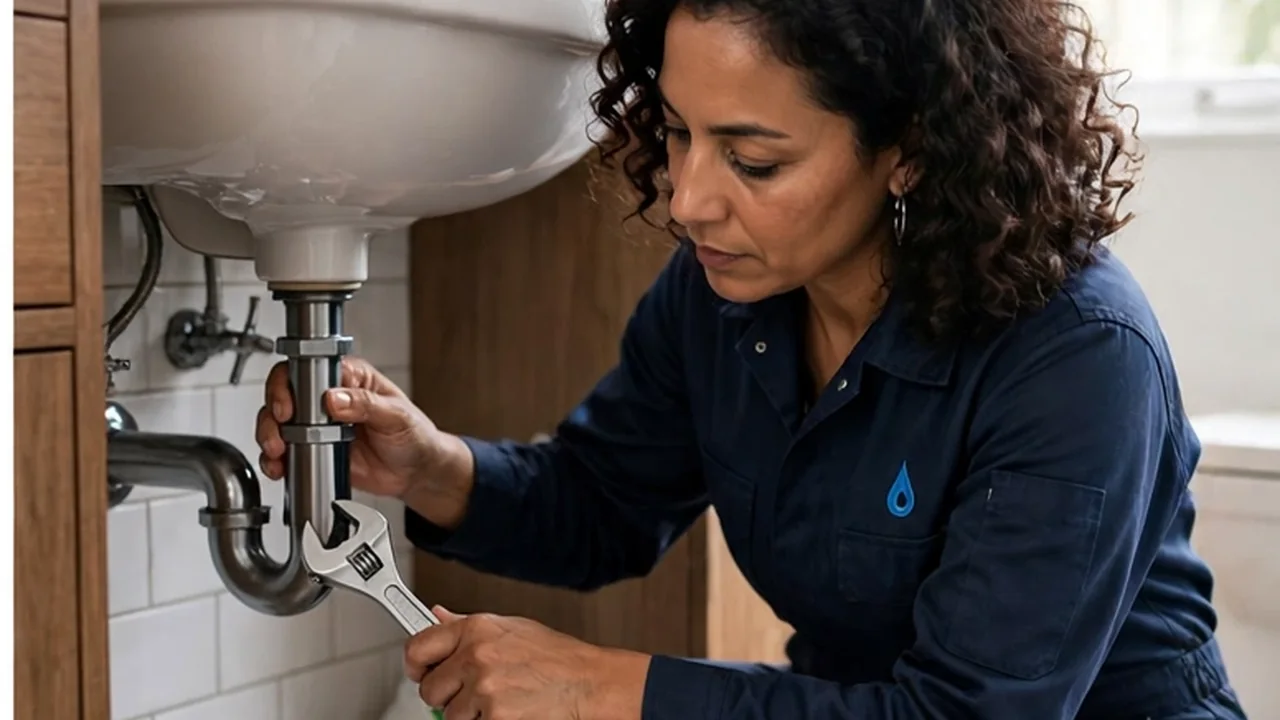
Call a licensed plumber for leaks you cannot trace, water that will not shut off, or any work on the supply lines or shut-off valves. A seized valve can break and release water into the cabinet, and a licensed plumber carries the tools and parts to handle it.