How a Grease Trap Works
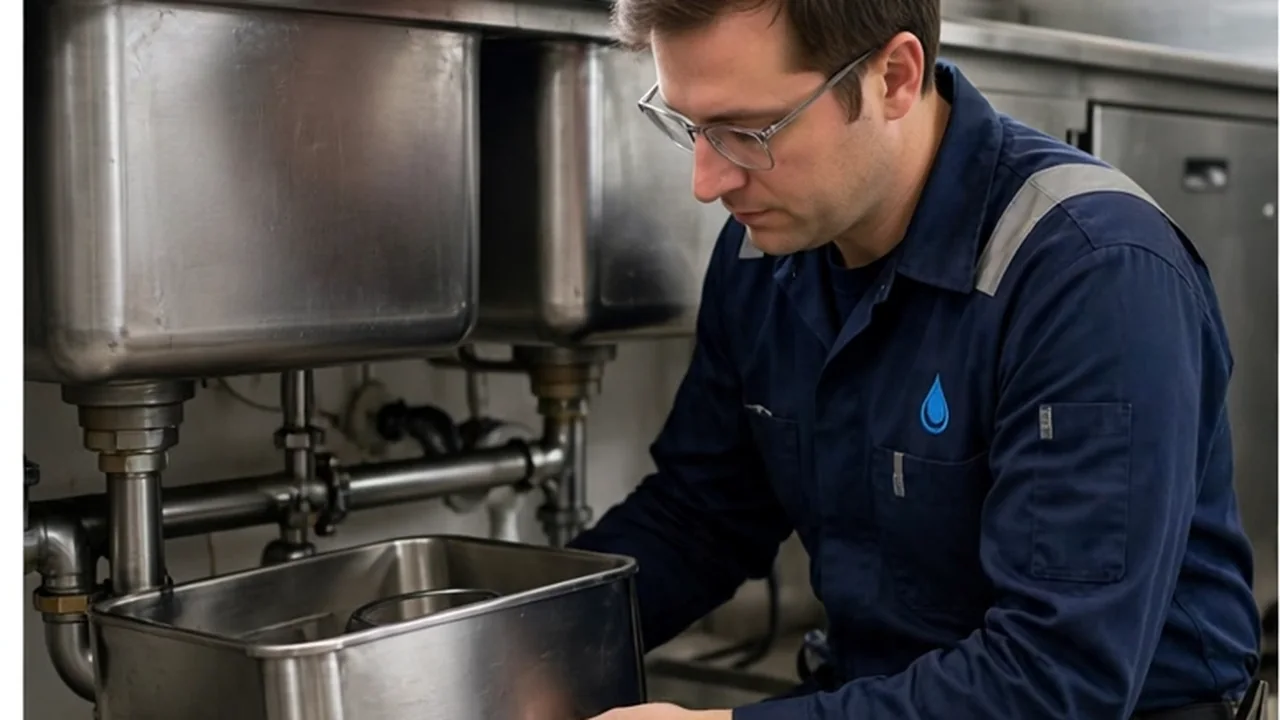
A grease trap is a box installed between your kitchen sink and the sewer line. Wastewater slows down inside it, letting grease float to the top while solids settle at the bottom.
The cleaner water in the middle flows out to the sewer. Without a trap, grease cools and sticks to pipe walls, narrowing the pipe until it clogs.
Signs Your Grease Trap Needs Attention
Slow drains in the kitchen, pooling water around the trap lid, and grease odors are common signs. A trap that has not been pumped in a long time may also cause backups into your sinks.
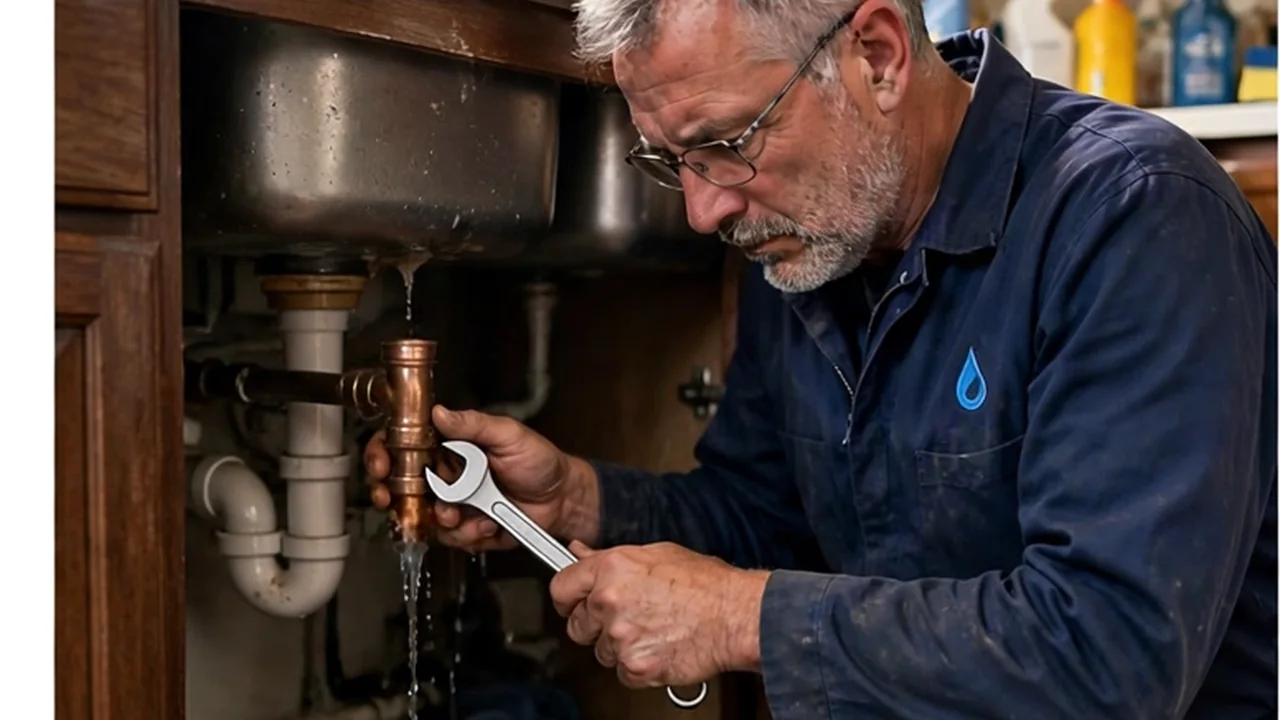
These symptoms usually mean the trap is full or the baffles are blocked. Ignoring them can lead to sewage backups and emergency plumbing calls.
Caring for Your Grease Trap
Scrape plates and pans into the trash instead of the sink. Never pour cooking oil or grease down the drain, even in small amounts.
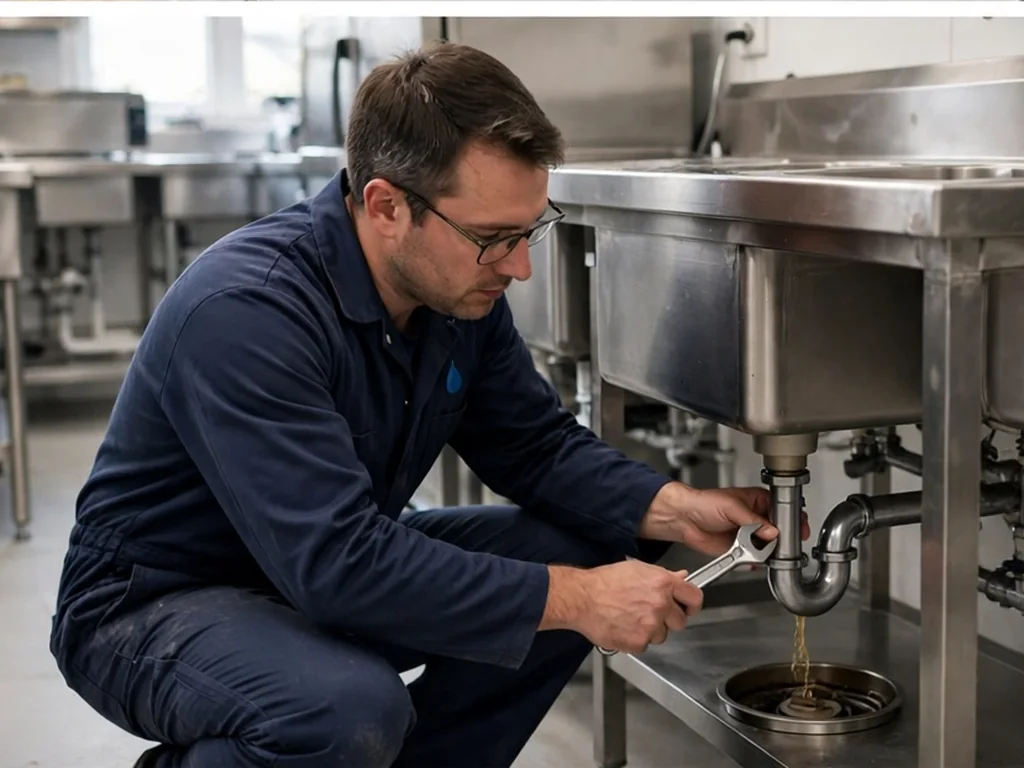
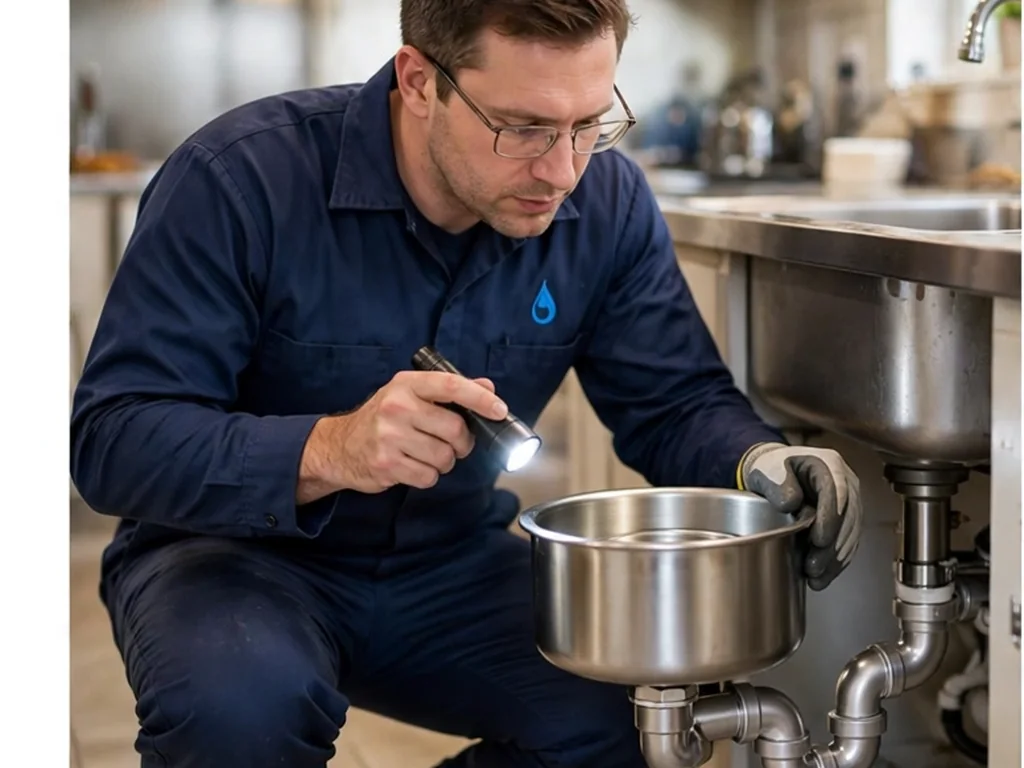
Have the trap pumped and inspected on a regular schedule. A licensed plumber can check the baffles and confirm the trap is sized correctly for your kitchen.