How Hard Water Causes Scale and Appliance Wear
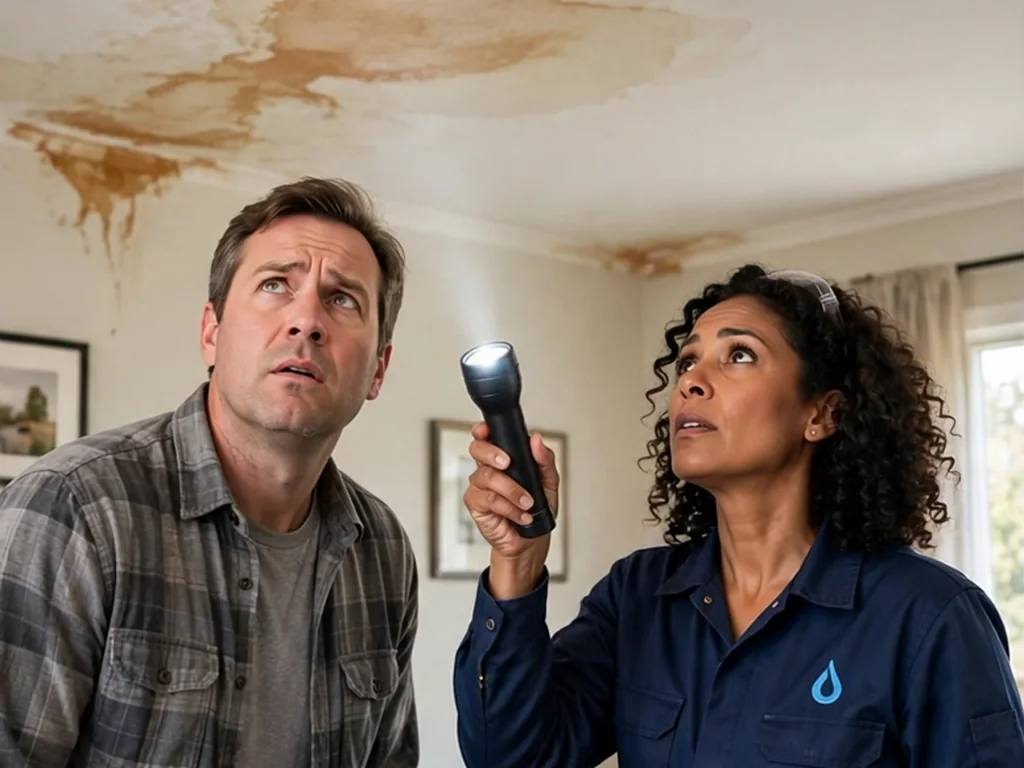
Hard water leaves calcium and magnesium deposits inside pipes, water heaters, and fixtures. Scale builds on heating elements and tank walls, so a water heater works harder and can fail sooner.
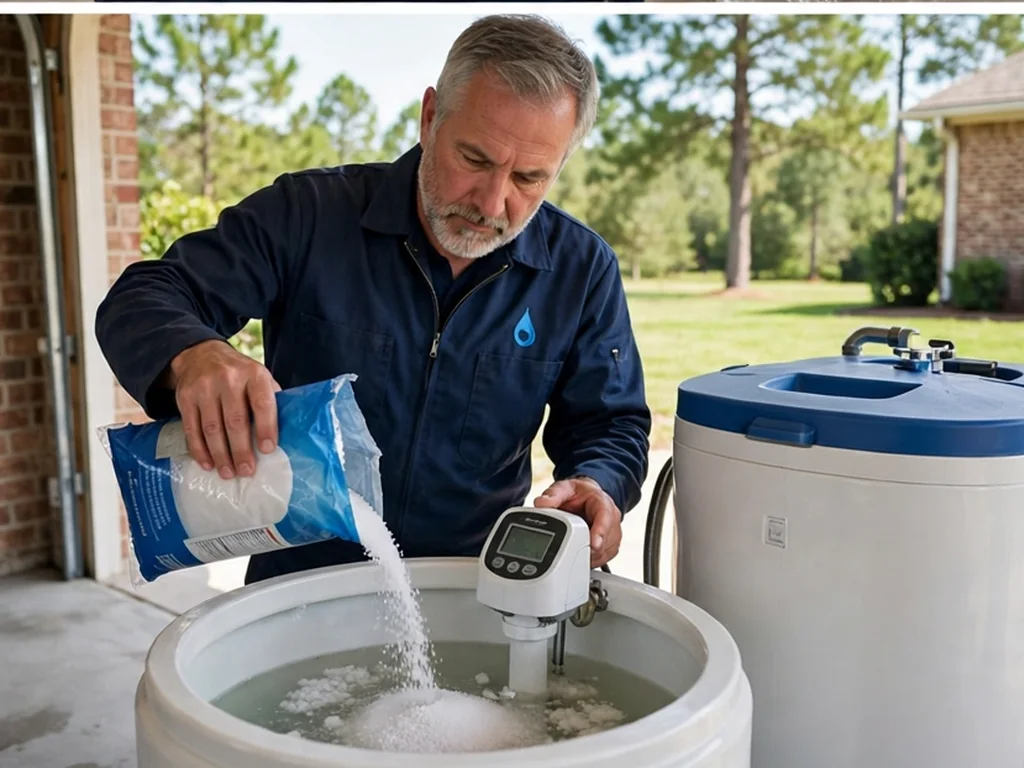
A softener swaps those minerals for sodium or potassium through resin beads. When the resin is exhausted or the brine tank is empty, hard water passes through and scale starts forming again.
Signs Your Softener Needs Attention
Soap that will not lather, white crust on faucets, and stiff laundry are common signs the softener is not softening. The brine tank may be low on salt or the resin may be fouled.
A softener that runs constantly or uses far more salt than usual often has a control valve or settings problem. These signs are worth checking before they reach your water heater.
What Routine Maintenance Includes
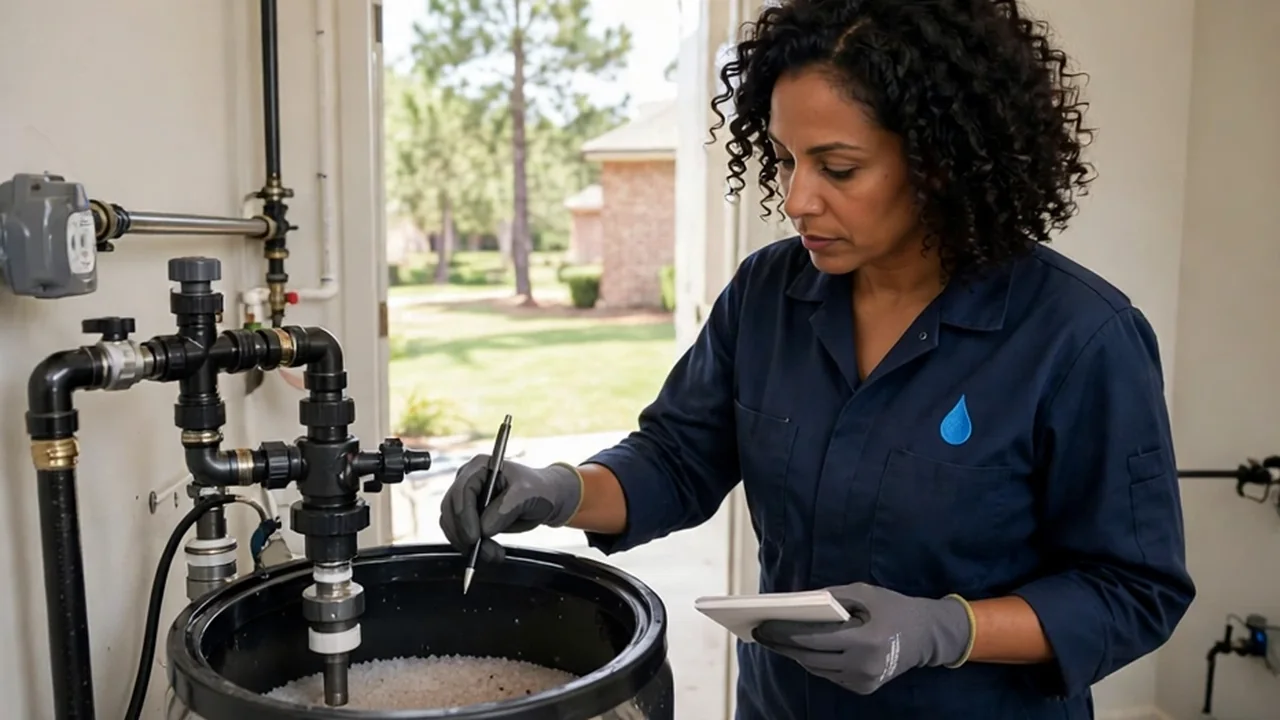
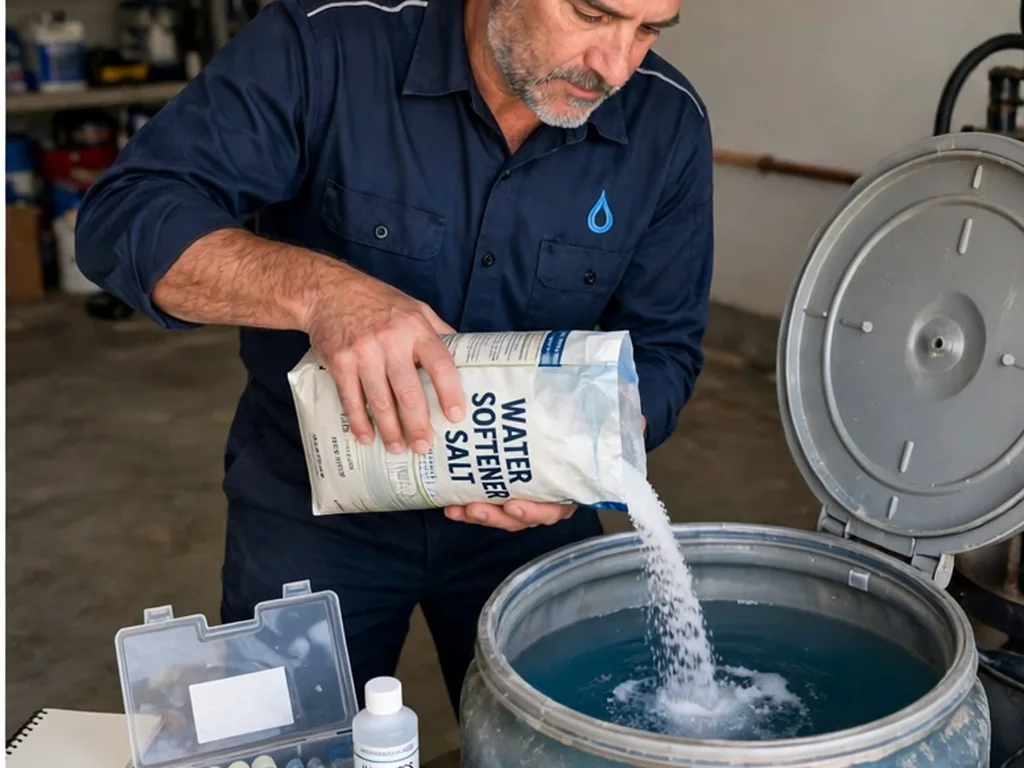
Routine maintenance checks the brine tank for salt bridges and mushing, tests water hardness before and after the unit, and verifies the regeneration cycle and settings. The technician also inspects the resin bed and valve.
Maintenance is not a repair. If a valve, resin tank, or control board has failed, the job becomes a water softener repair. Our Water Softener Repair page covers that work.