What Causes Hard Water and Scale Problems
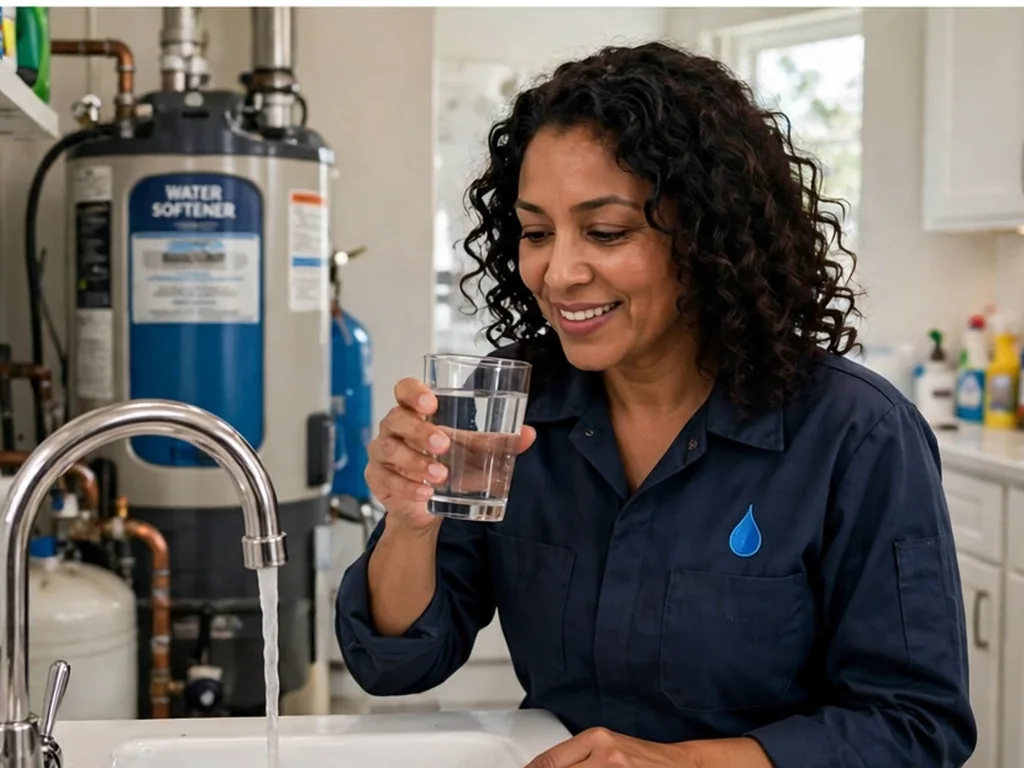
Hard water carries dissolved calcium and magnesium. A softener trades those minerals for sodium through resin beads, so the resin eventually needs salt to regenerate. When the resin is fouled, the salt is bridged, or the control valve stops cycling, hardness passes straight through and scale builds on heaters, faucets, and pipes, which is why it helps to know when repair is the right choice versus replacement.
Scale insulates heating surfaces, so a water heater works harder and can fail sooner. The same deposits narrow pipes and clog aerators. This is why softener trouble often shows up first as a water heater or plumbing repair issue rather than a softener fault.
Signs Your Softener Needs Attention
Soap that will not lather, white crust on fixtures, and stiff laundry are the usual first signs. You may also see the salt level stay high without dropping, or the unit run through salt unusually fast. Water pressure that drops throughout the house can point to resin or valve trouble.
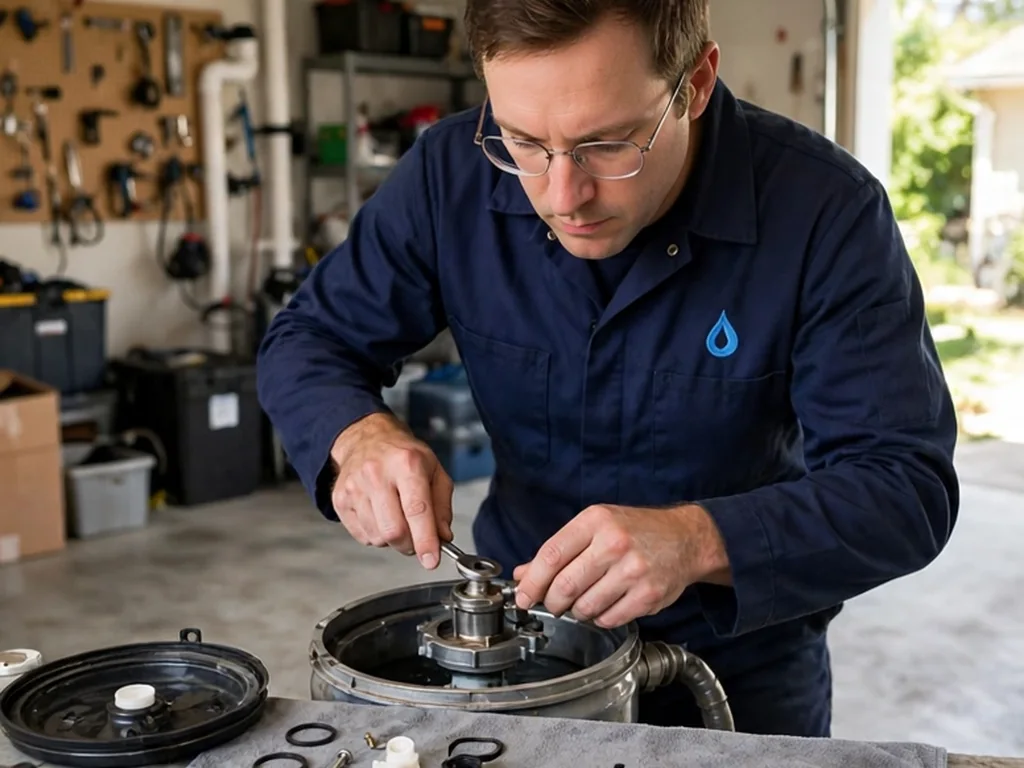
Check the salt tank for a hard crust or a hollow bridge before assuming the softener is broken. If the control valve is not advancing through its cycles, the unit will not regenerate even with good salt.
Safe Checks Before You Call
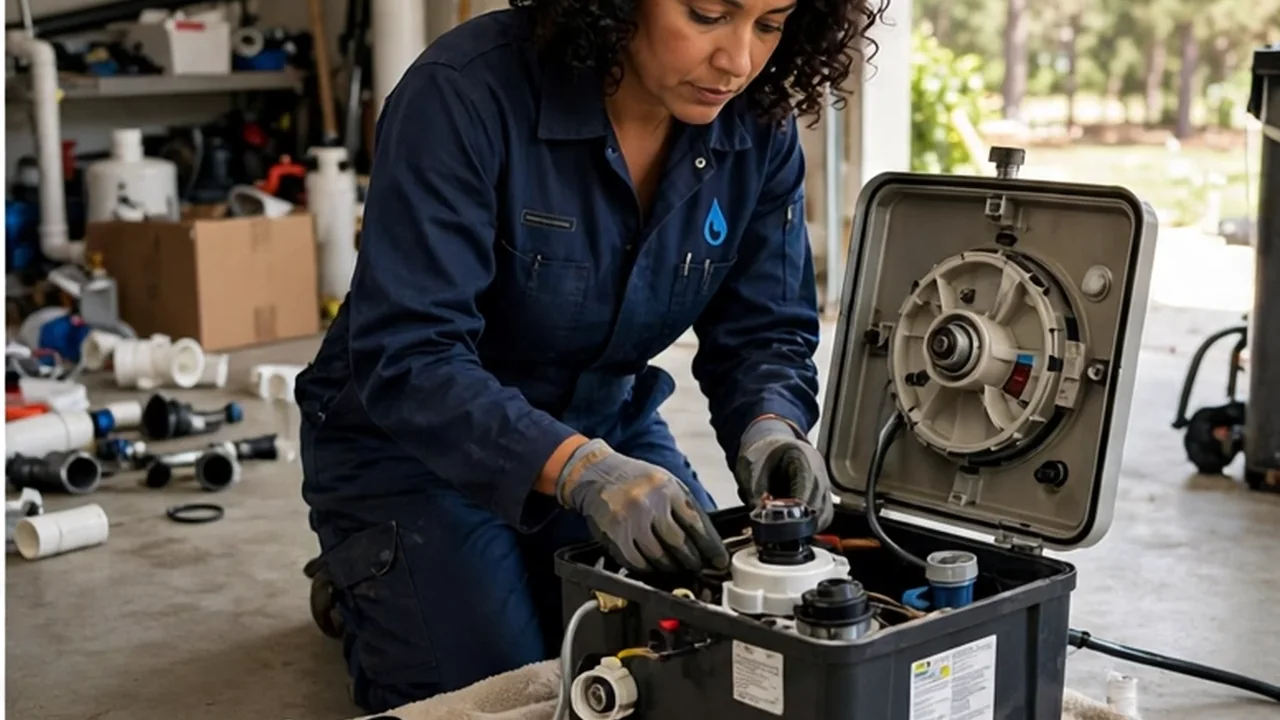
You can safely check the salt level, look for bridging, and confirm the unit has power and water. Do not open the control valve or attempt electrical repairs yourself. Hard water itself is not a health emergency, but a leak from the softener can damage floors and walls.
If you see water pooling around the unit, shut off its supply valve and call a plumber. For leaks elsewhere in the home, our Water Leak Repair service handles the diagnosis and repair.