Tank vs. Tankless and Gas vs. Electric
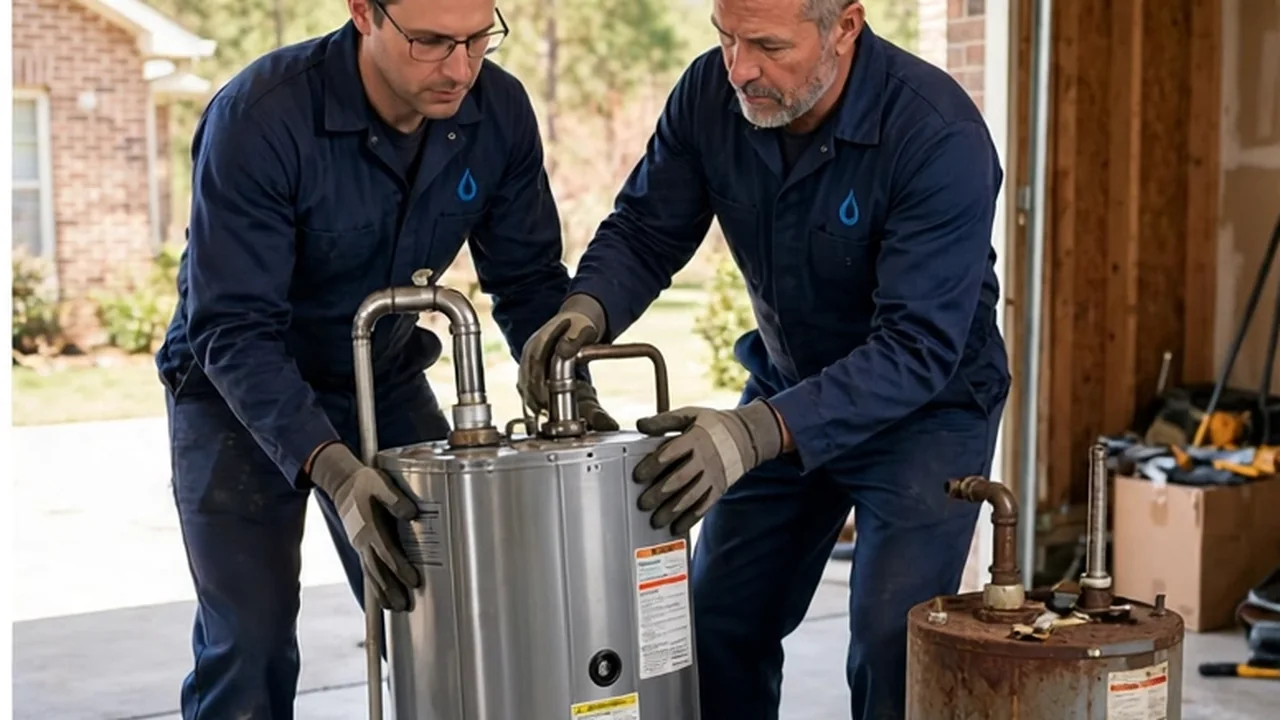
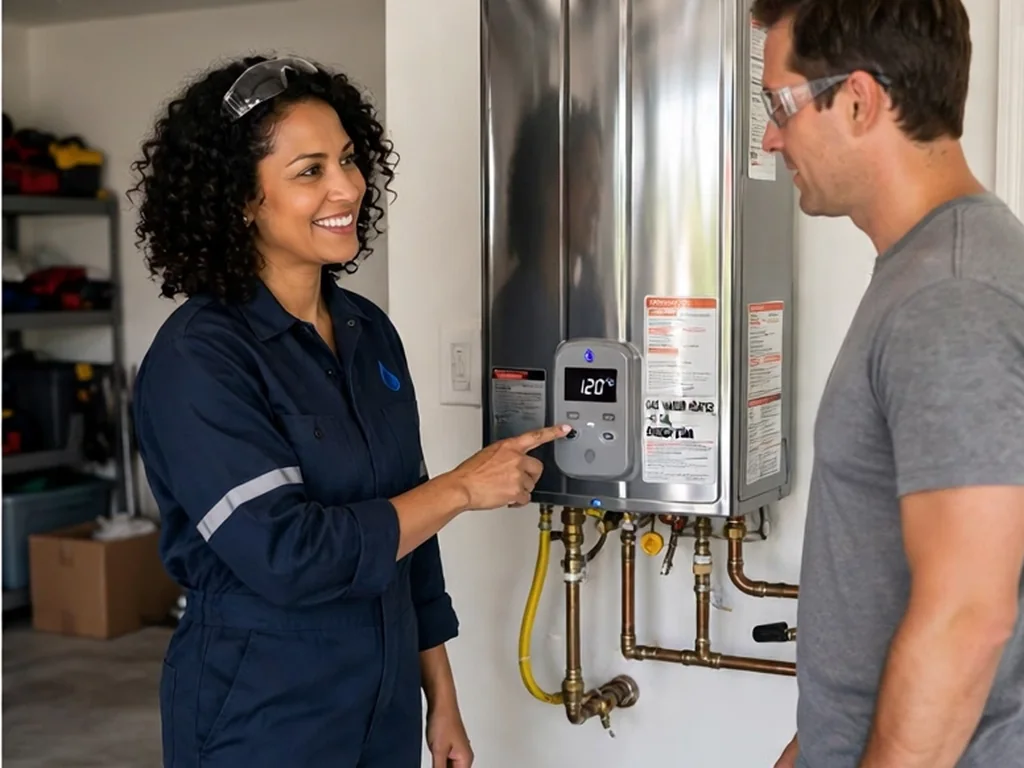
A tank water heater stores hot water in a insulated cylinder and reheats it as you draw it down. A tankless water heater heats water on demand as it flows through the unit, so it never runs out, but it costs more to install and may need a larger gas line or venting change. Gas units usually recover faster than electric, while electric units avoid gas piping and venting but can strain a panel.
For a Newnan household, the right choice depends on how many people shower in sequence, the available gas line size, and whether space saving matters more than upfront cost. A licensed plumber can check your gas supply and venting before you commit.
Why Gas Water Heaters Fail
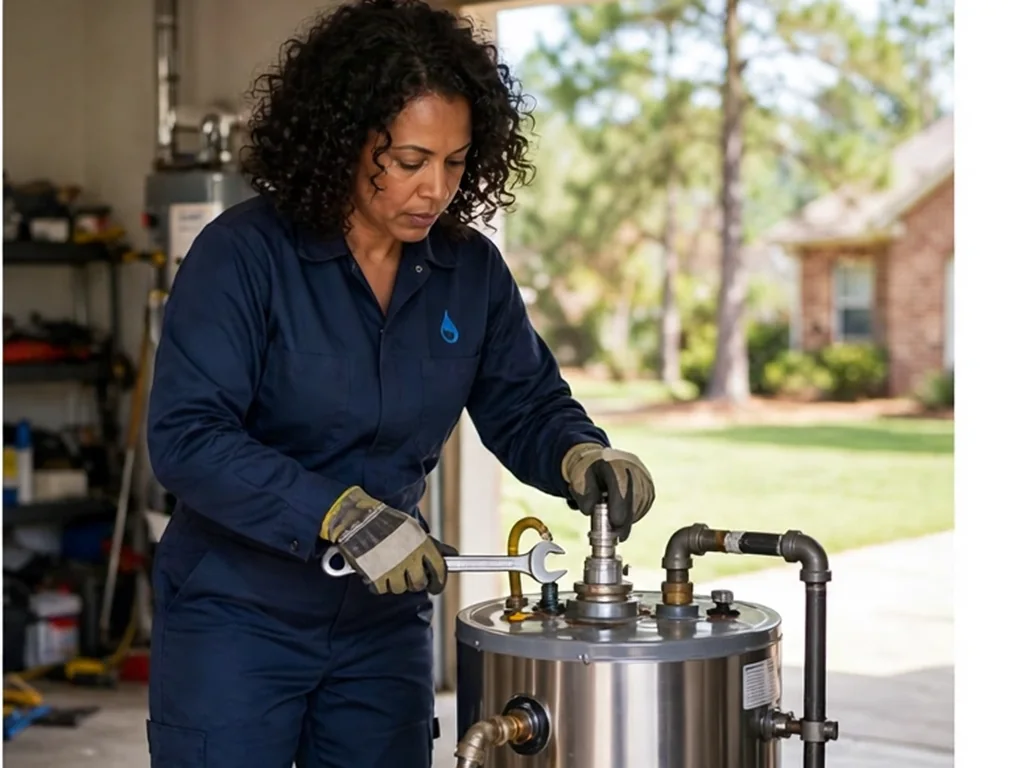
Most gas water heater failures come from corrosion inside the tank, a failed anode rod, sediment buildup on the burner, or a worn thermocouple or gas control valve. Leaking from the tank itself usually means the steel has rusted through and replacement is the only safe fix. Running out of hot water or inconsistent temperature often points to sediment or a failing dip tube, which our guide to water quality and scale-related failures explains in more detail.
Energy loss shows up as higher gas bills before any leak appears. A unit that is aging and losing efficiency is a candidate for planned replacement rather than waiting for a complete failure.
What Happens If You Wait
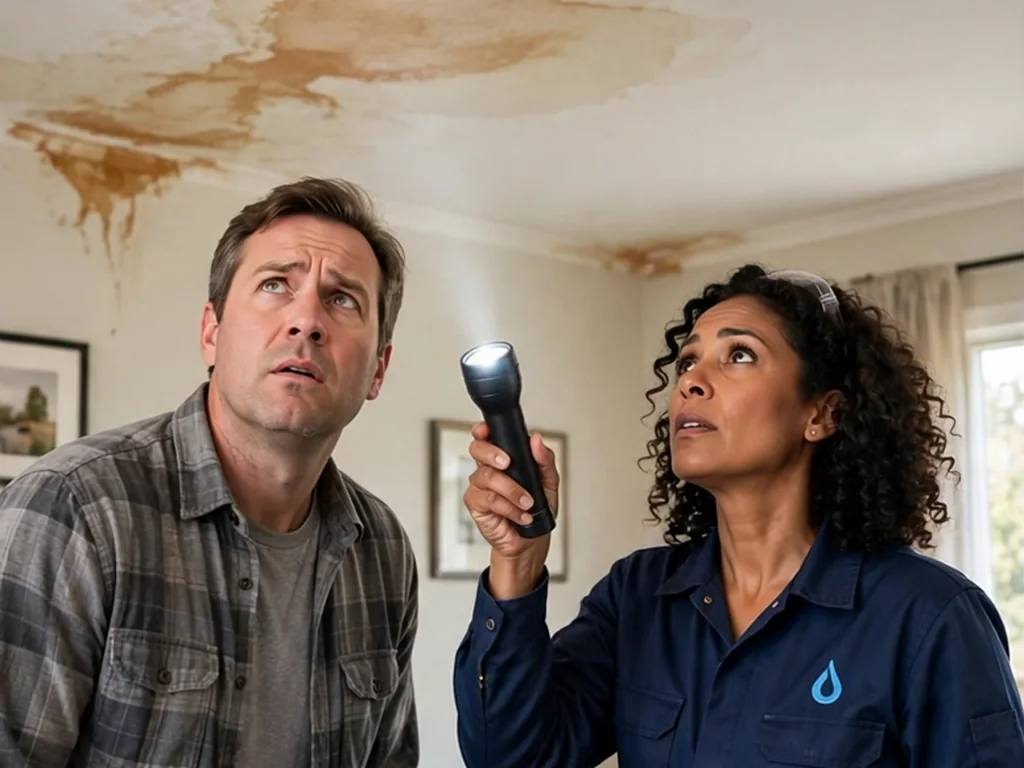
A leaking gas water heater can damage flooring, drywall and nearby stored items, and a tank that fails completely leaves you without hot water until a replacement is installed. Gas appliances also need safe venting and combustion air, so a unit that is backdrafting or producing abnormal noise should be checked by a licensed plumber rather than ignored.
Replacement is not a do-it-yourself gas job in Georgia.