What Causes a Sewer Line to Fail
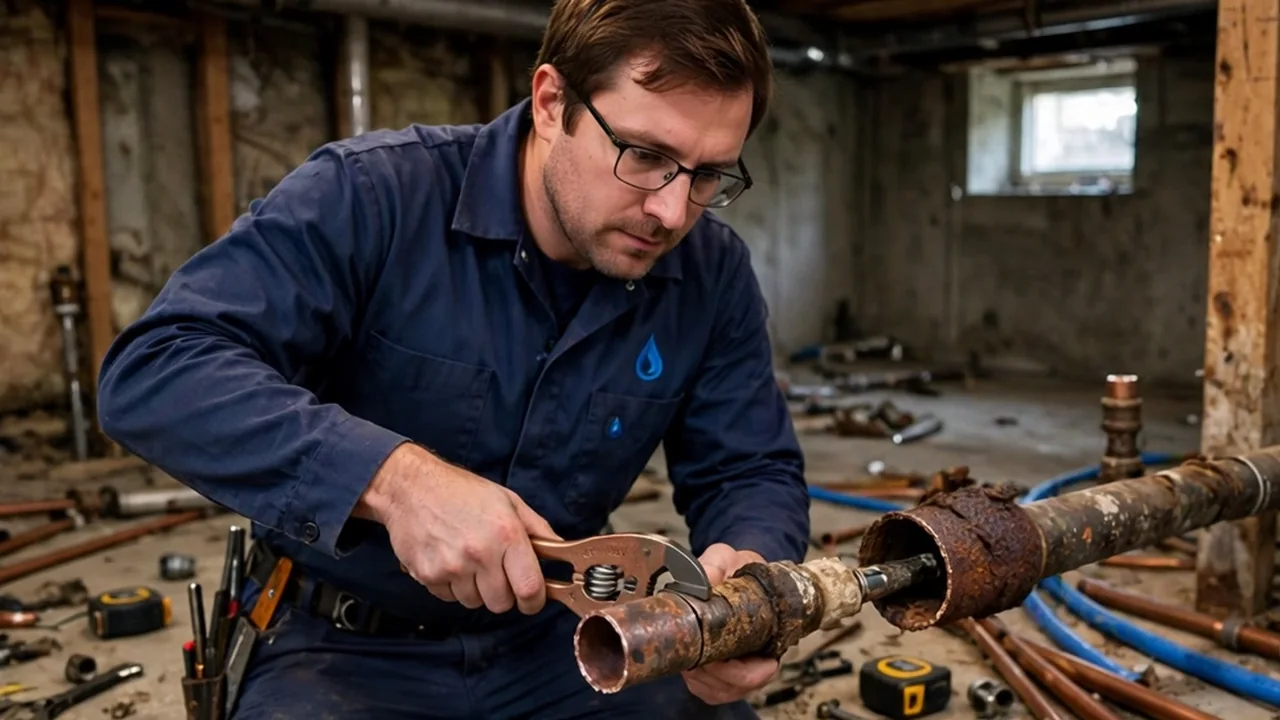
Sewer lines fail from the inside out. Grease, wipes and roots build a clogged sewer line, and the pressure behind that blockage can open cracks at joints and seams. Older clay and cast iron pipe also settles and shifts, so joints separate even without a blockage.
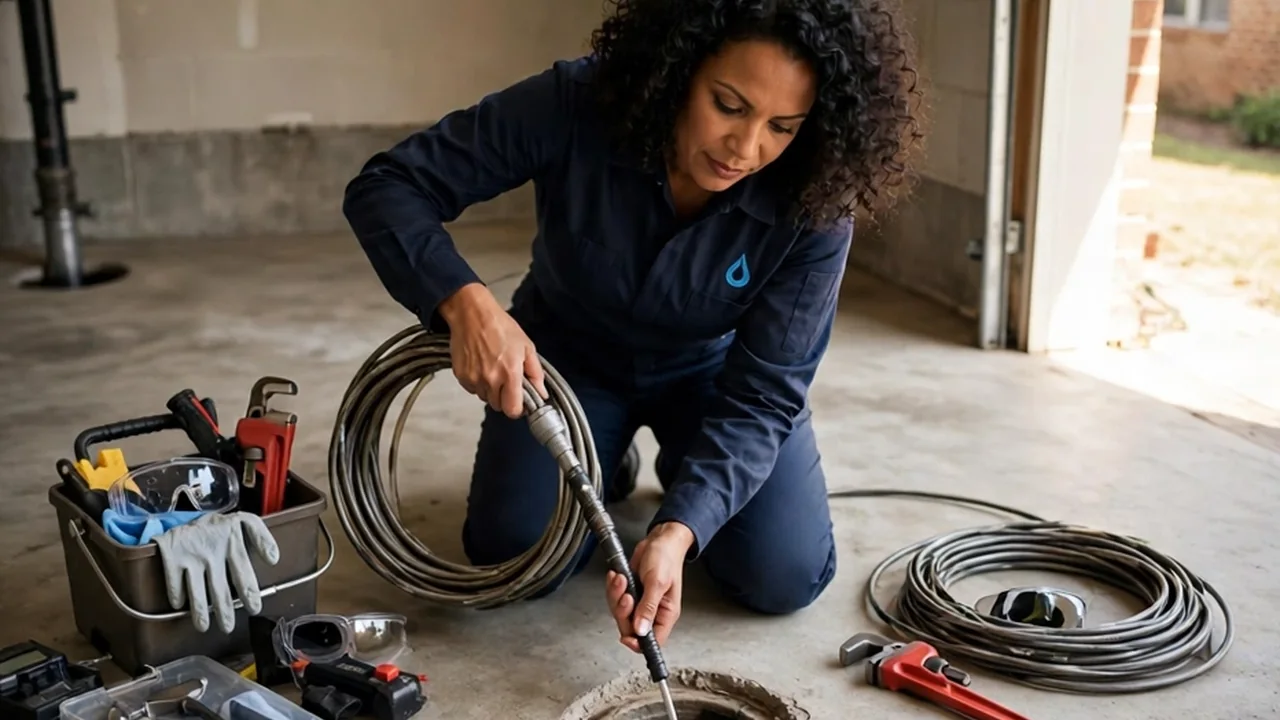
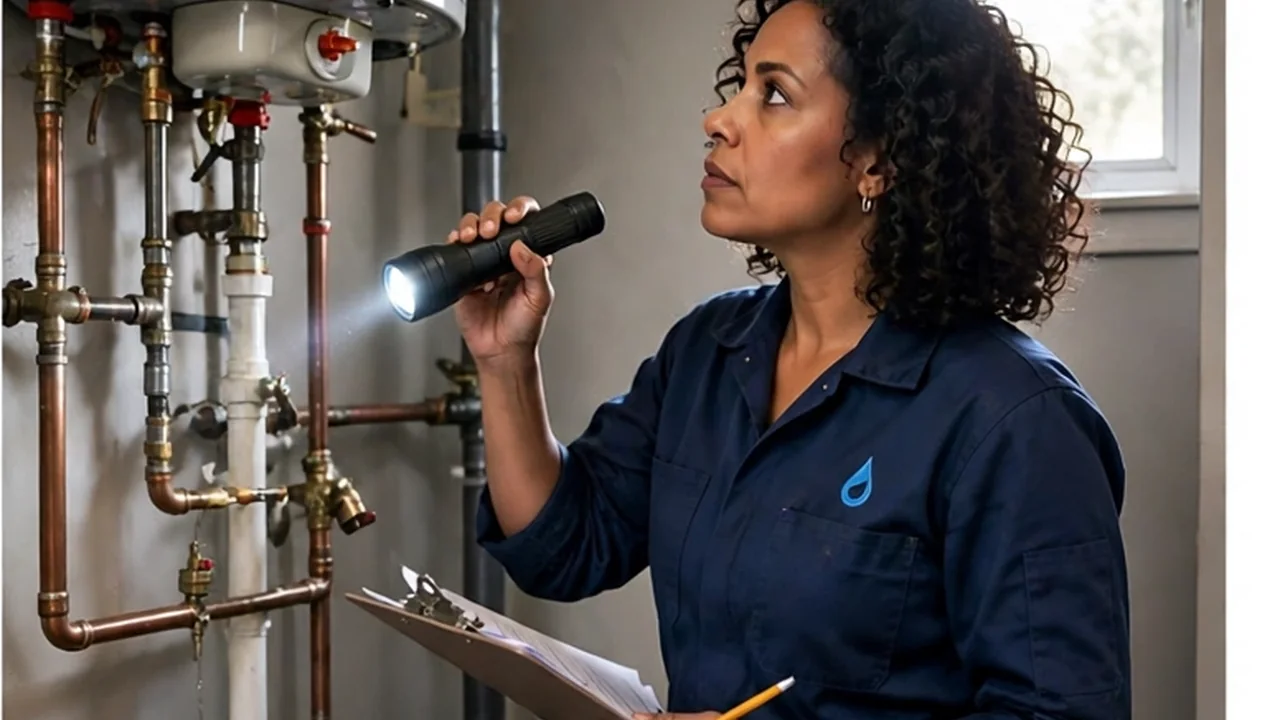
A video pipe inspection shows where the pipe has cracked, bellied or been invaded by roots. That camera evidence is what tells you whether cleaning will clear the line or whether the damaged section has to come out.
Signs You Should Not Ignore
Slow drains throughout the house, gurgling toilets and sewage smells in the yard point to a blockage or break in the main line rather than a single fixture. Water pooling over the sewer route or a patch of unusually green grass can mean the pipe is leaking underground.
A backup that returns after you clear it is the clearest sign the line needs more than drain cleaning. Stop using water heavily and have the line inspected before sewage backs up into the house.
Repair or Replace: How to Decide
Repair suits a short, isolated defect in an otherwise sound pipe. Replacement suits a line that is cracked, collapsed or root-filled along much of its run, where patching one spot only moves the next failure down the line.
Age, pipe material, the length of the damaged section and whether the line sits under paving or landscaping all shift the economics. Our guide on when repair is the right choice versus replacement for water heaters, pipes, drains, and sewer lines sets out that framework.