What Causes a Shower to Fail or Leak
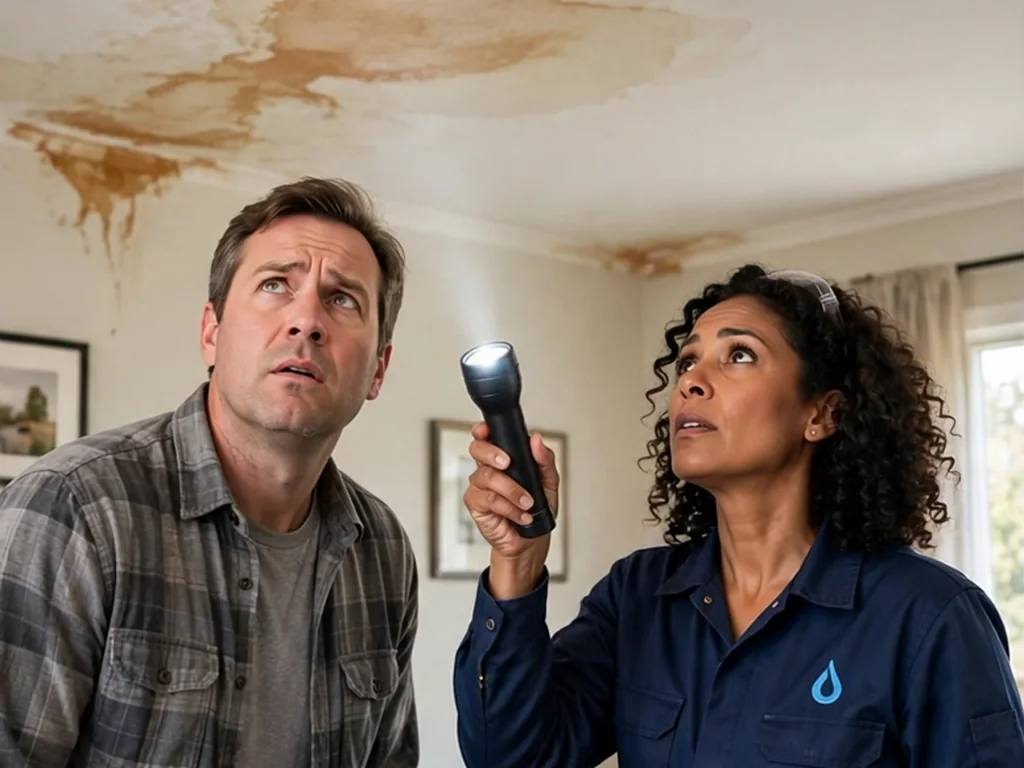
Most shower failures start behind the tile. A cracked pan, a failed liner, or loose drain connection lets water seep into the floor structure, and the damage often shows up as a stain on the ceiling below before anything looks wrong in the bathroom.
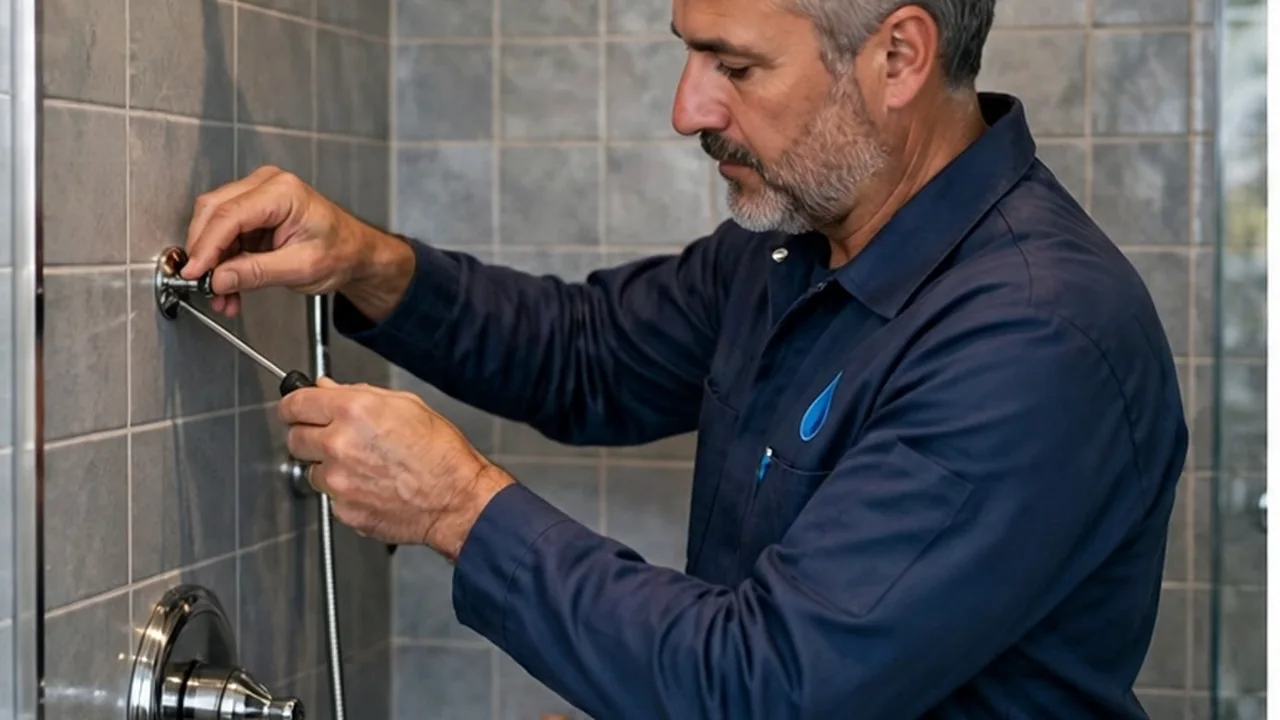
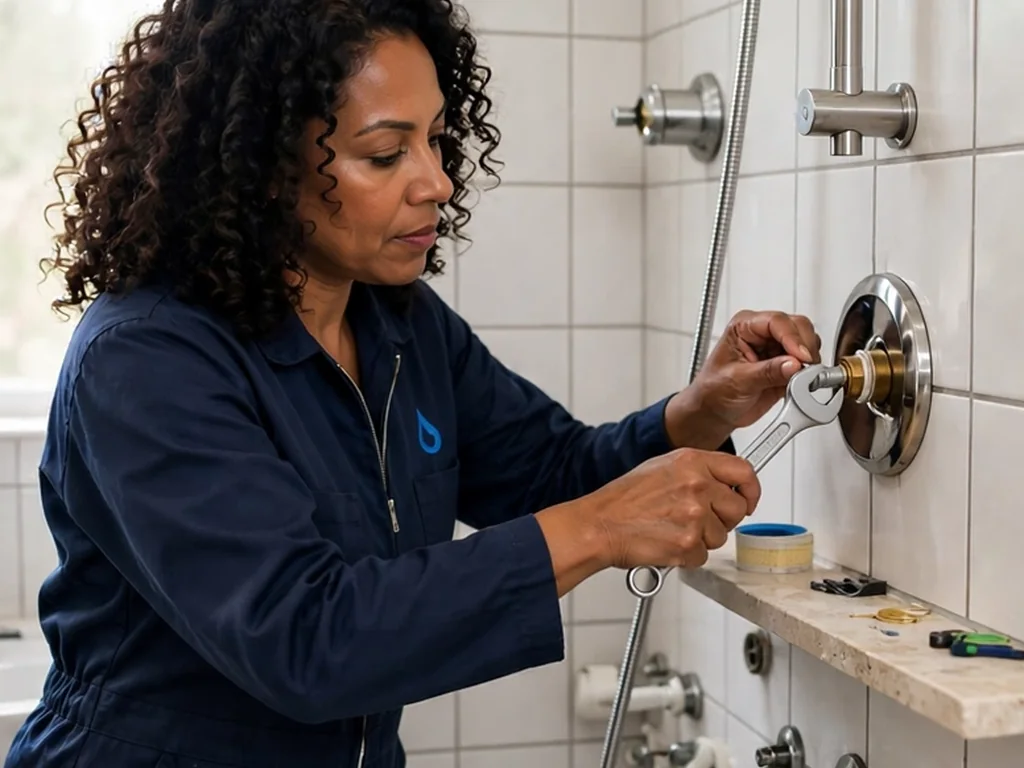
Older showers also fail at the valve and supply lines. Mineral buildup in Newnan's water can wear cartridges and seals, and a slow drip behind the wall can rot framing for years without a visible sign.
Warning Signs Your Shower Needs Attention
Watch for soft spots in the floor around the drain, loose tile, musty smells, or water stains on the ceiling below. These point to a leak that has already moved past the surface.
A shower that drains slowly, runs hot and cold, or shows rust at the drain collar is telling you the fixture or its connections are near the end of their life. Catching these early usually means a simpler repair or replacement.
What You Can Safely Check Yourself
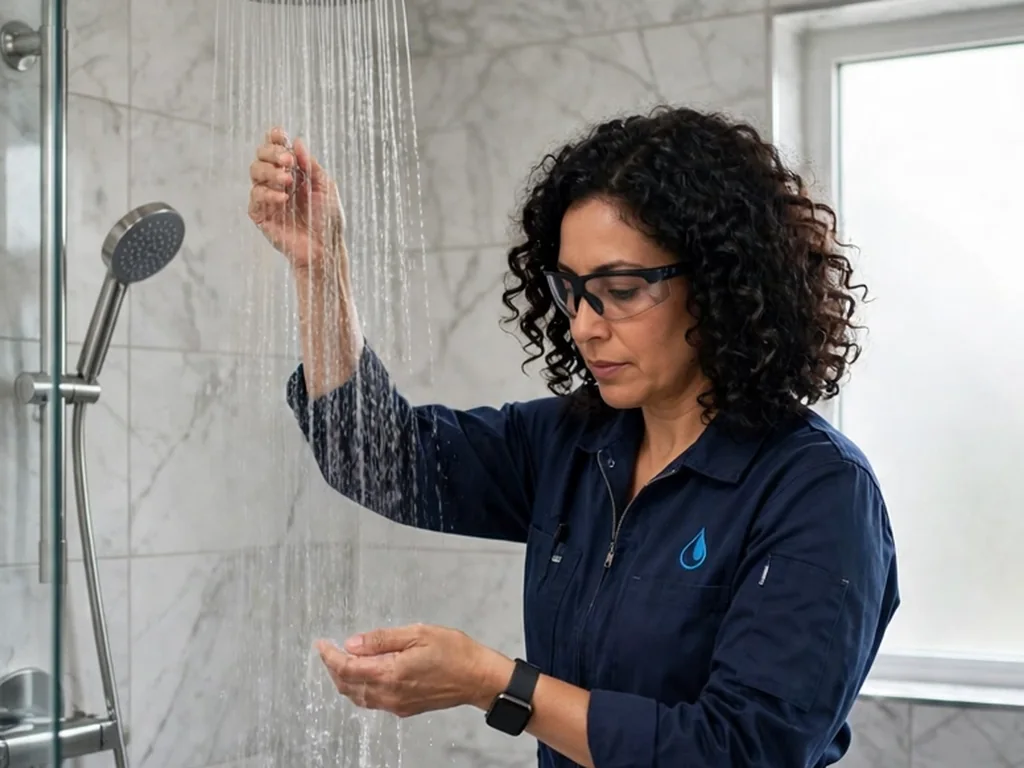
You can check the caulk line at the base of the shower and re-caulk small gaps, and you can test the drain by running water and watching for pooling. These steps help you describe the problem accurately when you call.
Do not open the wall or try to reset a shower pan yourself. Water damage and mold can spread quickly, and a licensed plumber has the tools to find the source without making the damage worse.